Why Your Hair Is Changing After Pregnancy
After pregnancy, your body goes through many changes and your hair is no exception. You may start to notice more shedding than usual, especially around your edges or crown.
This can feel alarming, especially if your hair felt thicker and fuller during pregnancy. But what you’re experiencing is very common and often temporary.
What Causes Postpartum Hair Loss?
During pregnancy, elevated hormone levels, especially estrogen, keep your hair in a longer growth phase. This means less shedding and fuller-looking hair.
After giving birth, those hormone levels drop, and your hair begins to shed what it held onto during pregnancy. This is known as postpartum shedding, and it can happen anywhere from a few weeks to several months after delivery.
What It Can Look Like
Postpartum hair loss often shows up as increased shedding when detangling, washing, or styling. You may also notice thinning around your edges or temples.
For some, it feels like a sudden change. For others, it’s gradual but noticeable over time. Either way, it’s important to understand that this phase is part of your body’s natural transition.
What I Experienced Personally
I’ve experienced postpartum shedding after each of my 4 children. And every single time, I’ve watched my edges thin out…only to eventually grow back full again.
The last time, though, it was different.
My shedding happened much later than it did with my previous pregnancies. I breastfed for two full years, which meant my hormones stayed imbalanced longer and that delayed when the shedding showed up.

Understanding What’s Happening
Postpartum shedding is actually very normal. During pregnancy, your hair stays in a longer growth phase, which is why it often feels thicker and fuller.
After birth, your hormone levels shift, and your hair begins to shed what it held onto during that time. For many women, hair returns to its normal state within 6–18 months, or even longer if you’re breastfeeding.
What Helped Me Through It
During that time, I focused less on trying to “fix” my hair and more on caring for it gently.
Here are a few things that helped me:
-
I avoided over-manipulating my hair — less tension, less stress on my strands
-
I kept my hair moisturized consistently — dry hair breaks easier
-
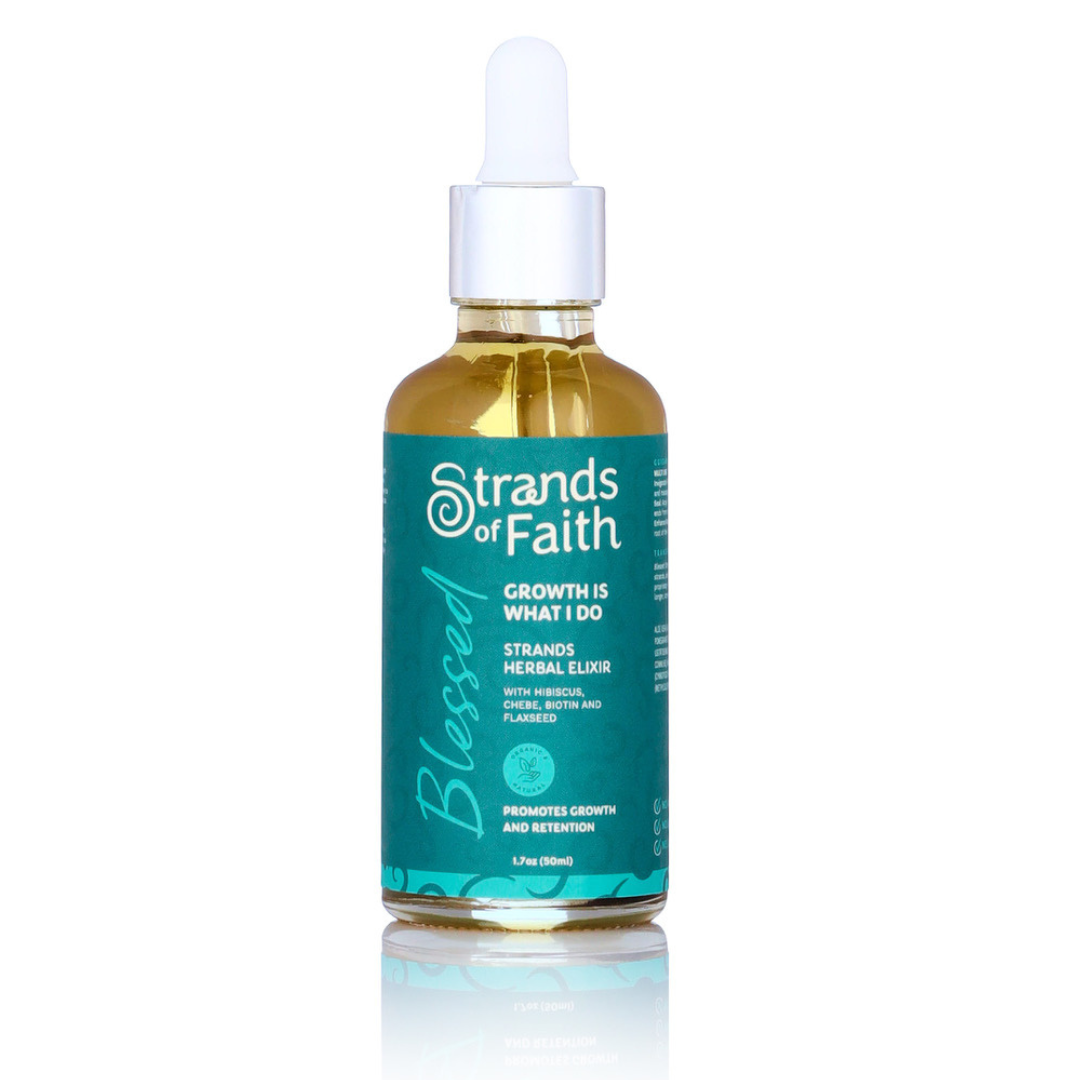
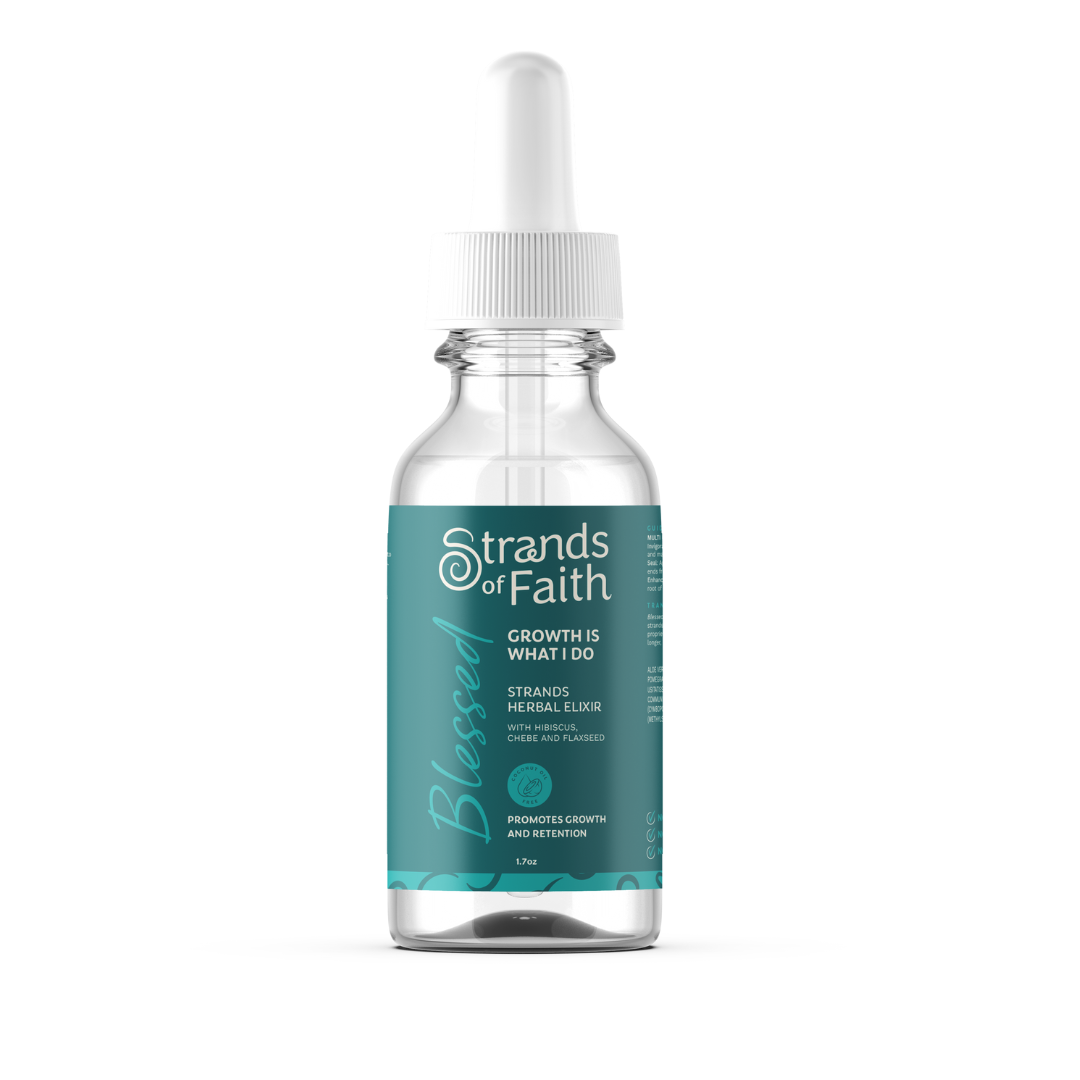
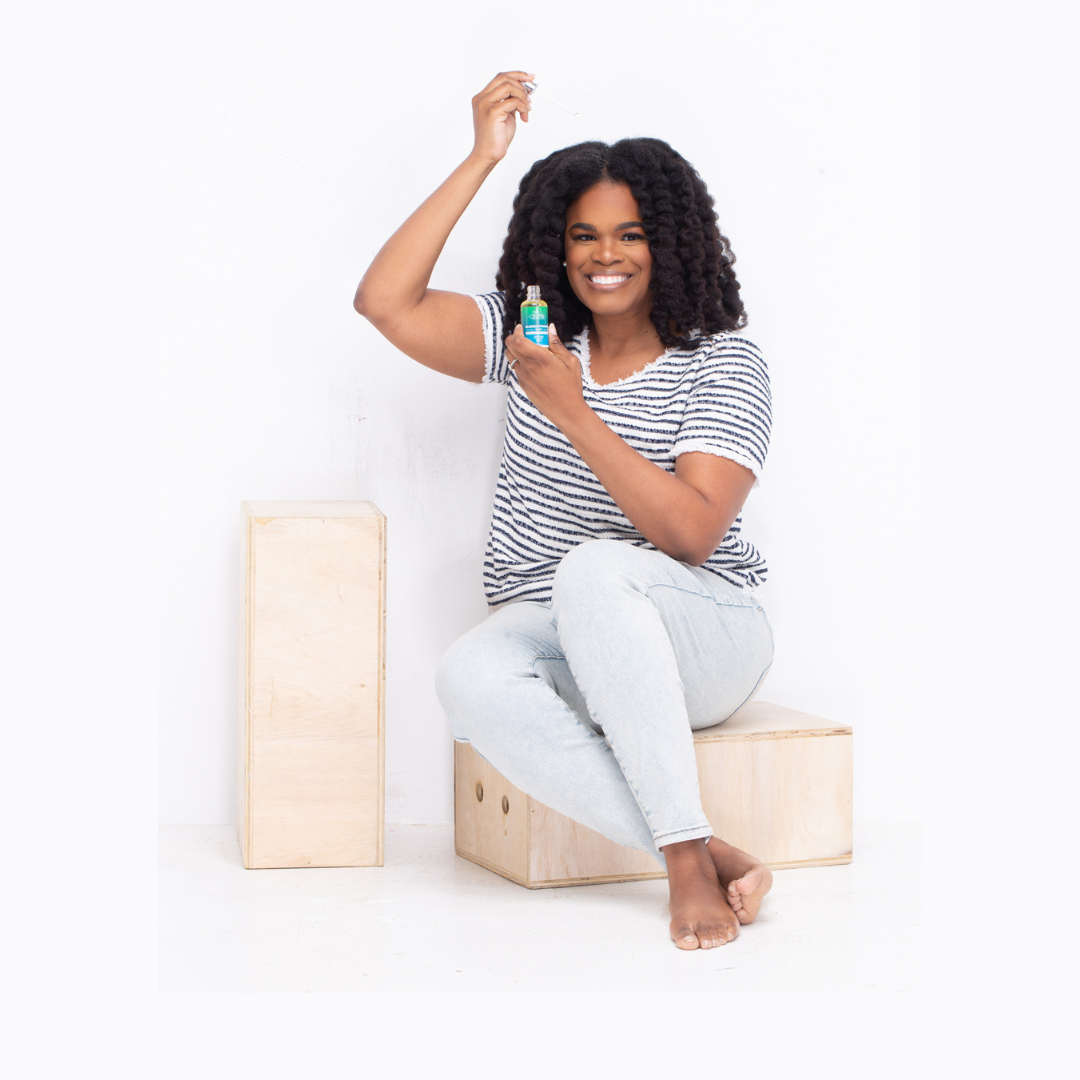
I massaged my scalp gently to support circulation using the Blessed Strands Herbal Elixir
-
I minimized heat styling to prevent additional damage
These simple steps made a big difference over time.
Is This Permanent?
In most cases, postpartum shedding is temporary. As your body rebalances, your hair growth cycle begins to normalize.
However, how you care for your hair during this time matters. Gentle routines and consistent care can help reduce breakage and support your hair as it recovers.
How to Care for Your Hair During This Phase
The goal during postpartum shedding isn’t to “stop” it completely, it’s to support your hair and minimize additional stress on your strands.
Start by reducing tension. Avoid tight styles that pull on your edges, and opt for low-manipulation styles that give your hair room to rest.
Build a Gentle, Supportive Routine
Start with a cleanser that won’t strip your scalp:
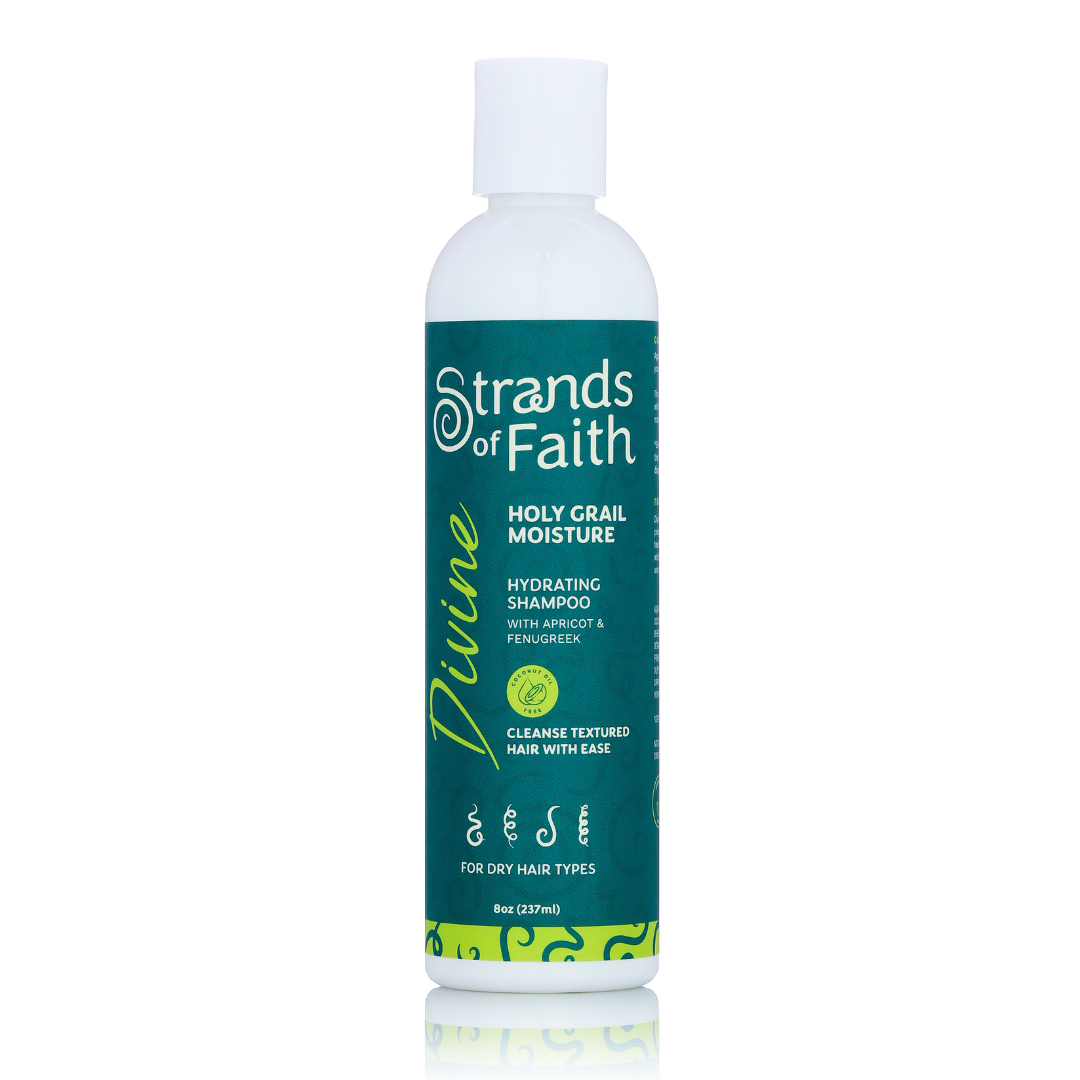
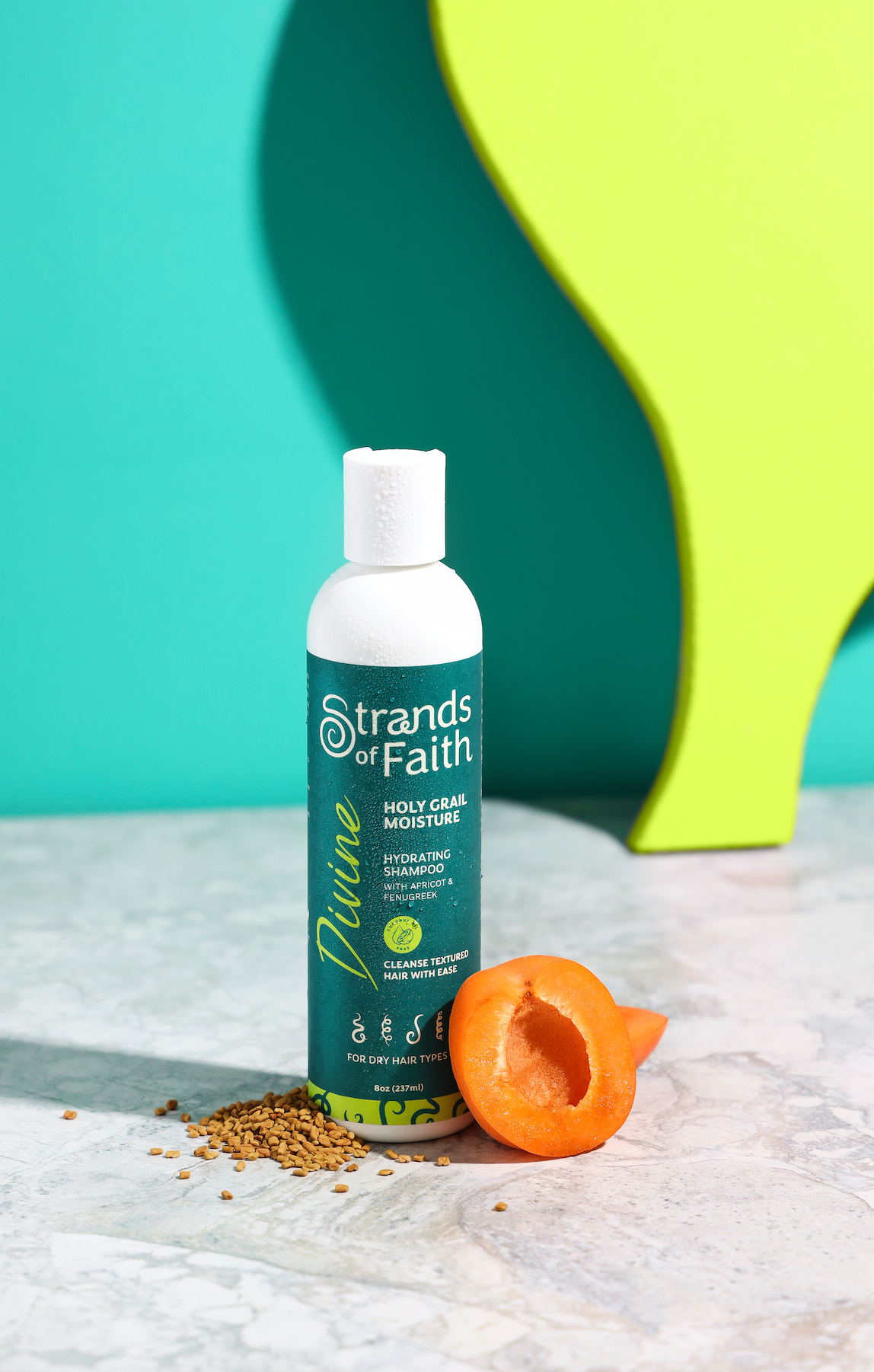
Use the Divine Hydrating Shampoo or Rosemary & Grace Hydrating Shampoo to gently cleanse while maintaining moisture balance.
Follow with deep conditioning to restore hydration:
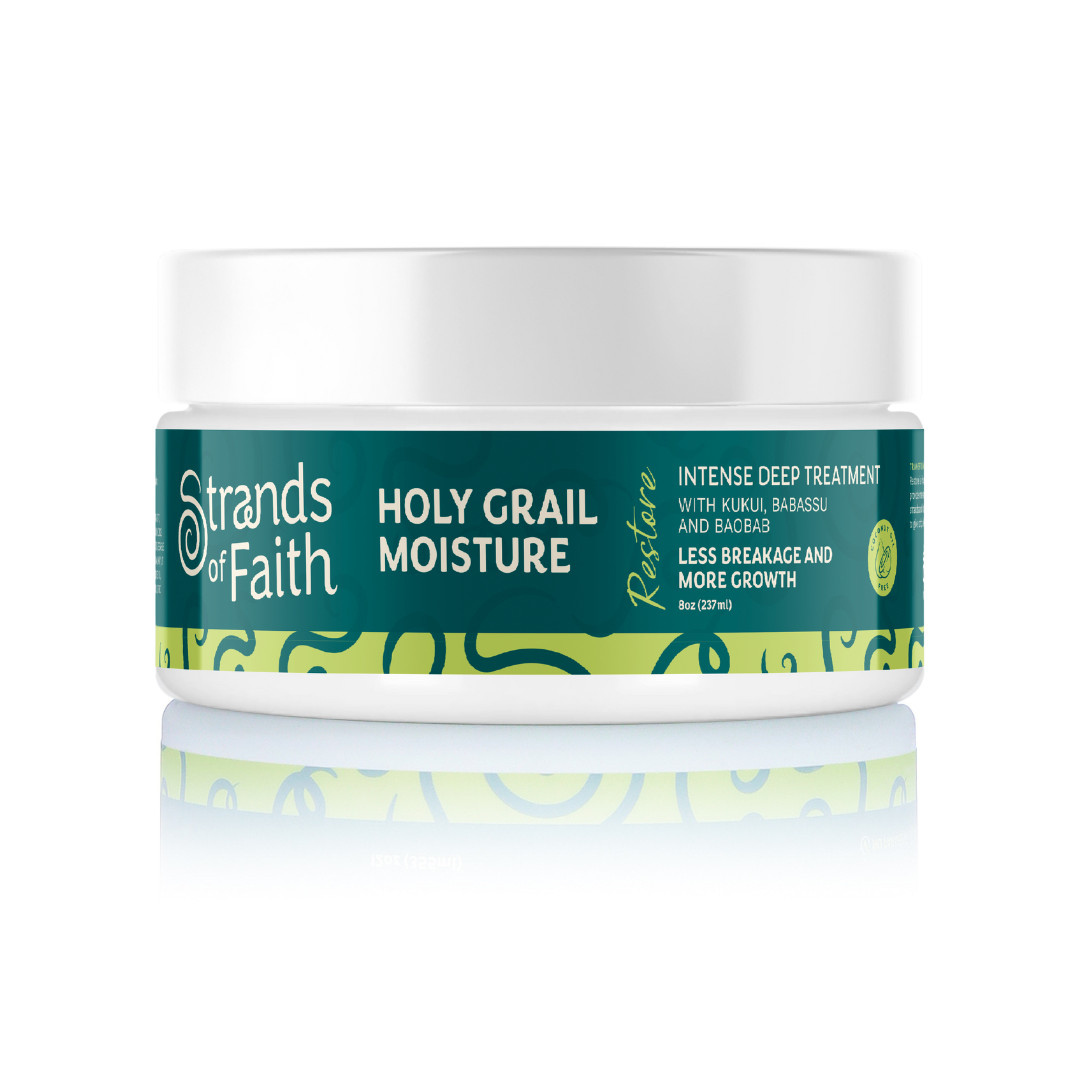
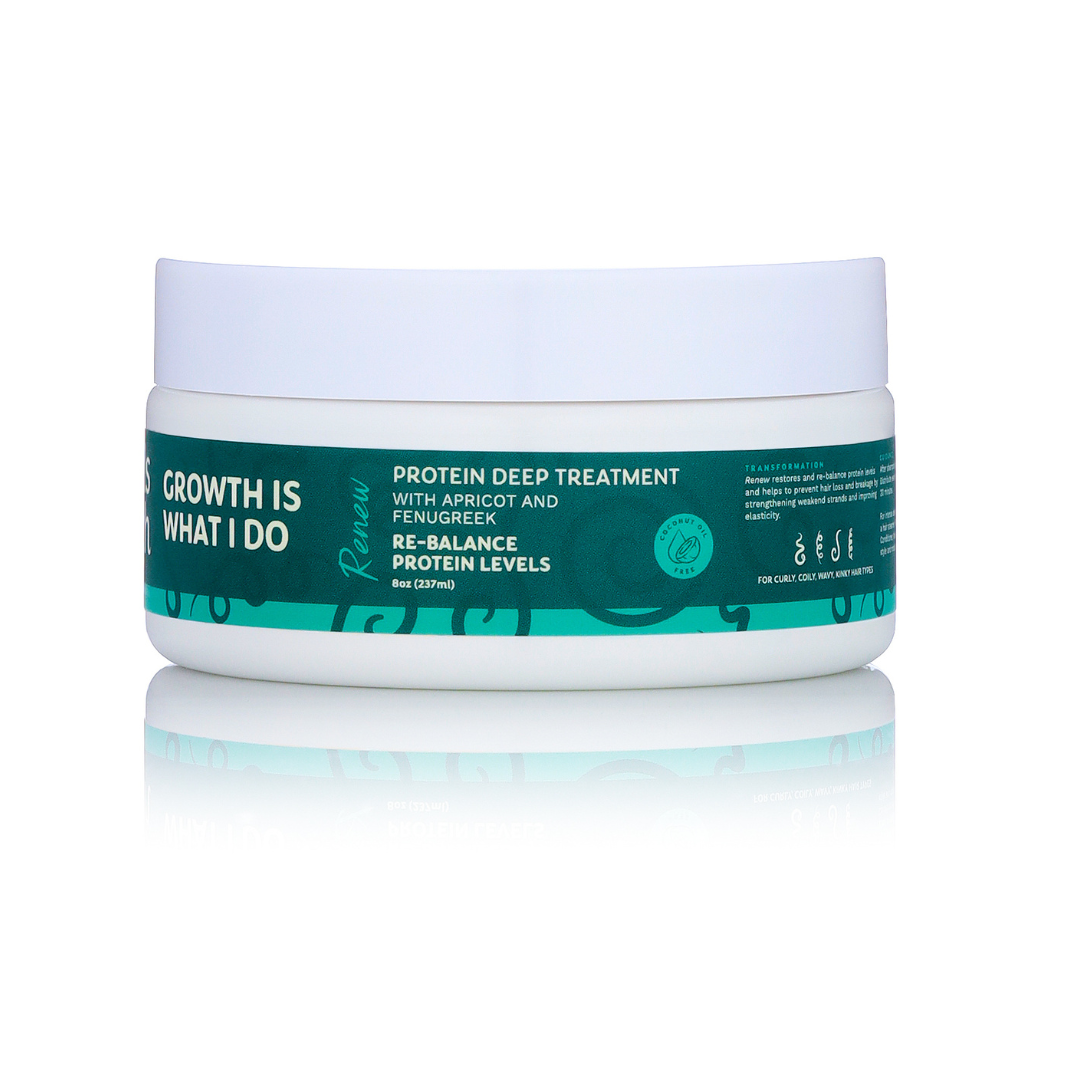
The Restore Intense Deep Conditioning Treatment helps soften and replenish moisture, while the Renew Protein Deep Treatment can be rotated in to support weak or fragile strands.
Keep Your Hair Moisturized and Protected
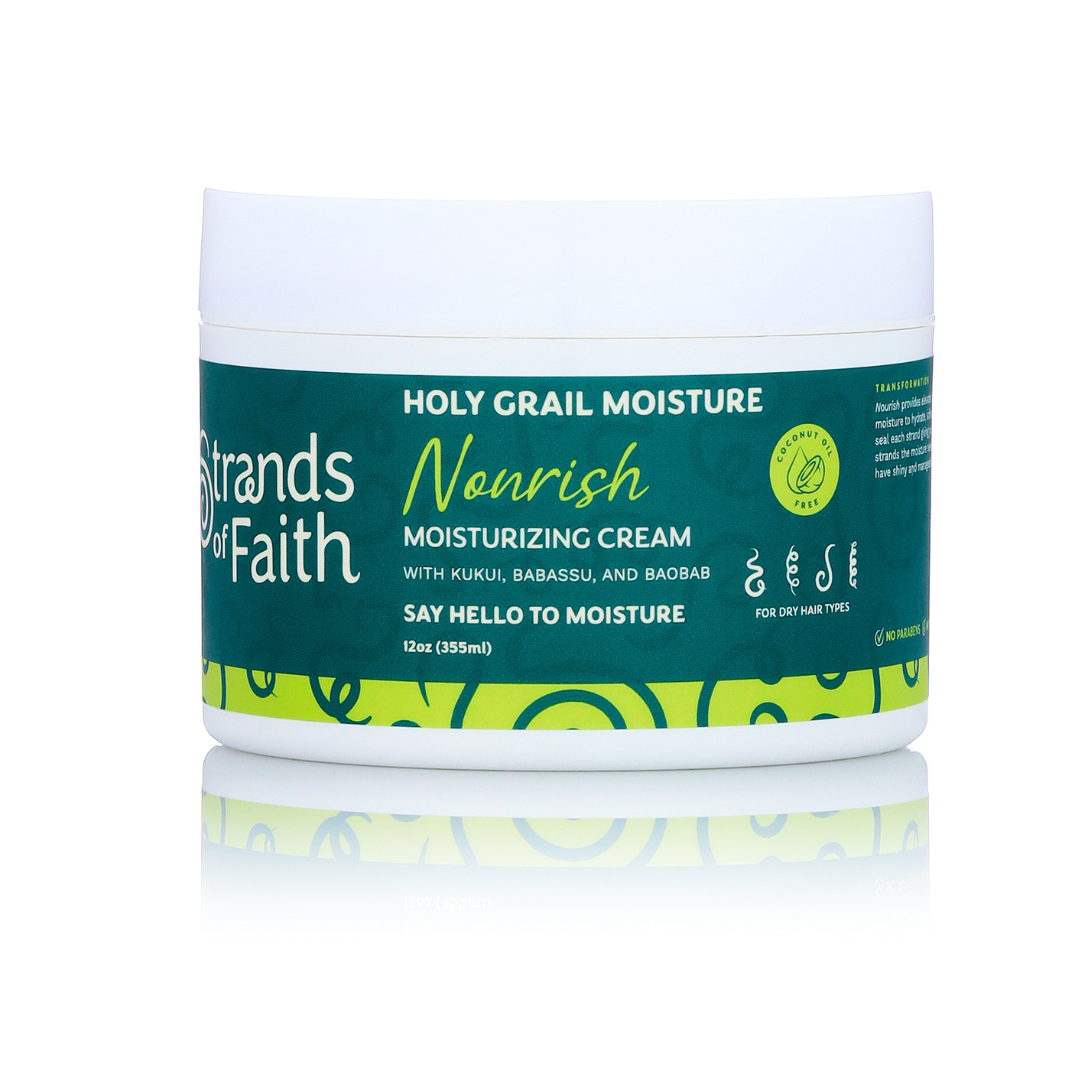
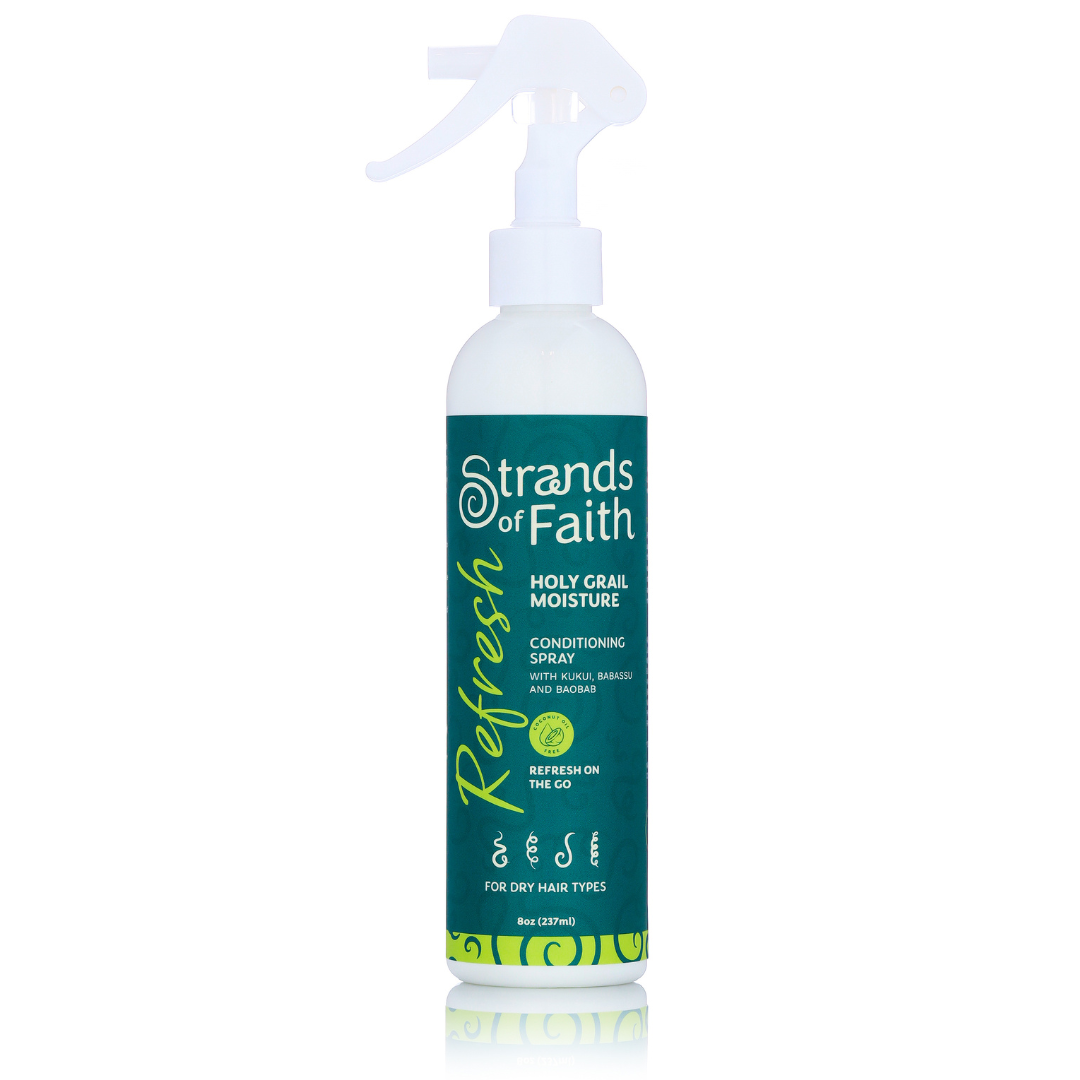
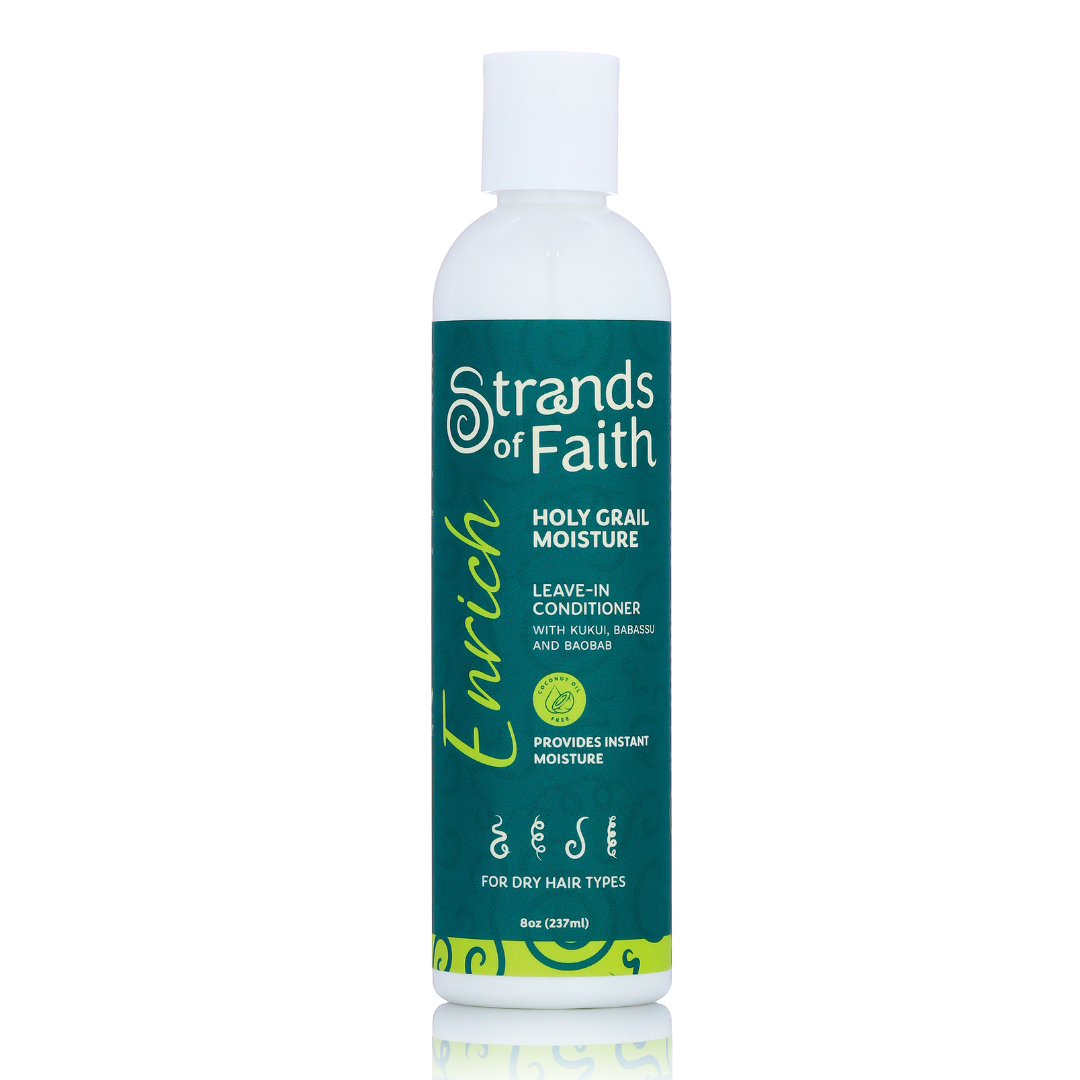
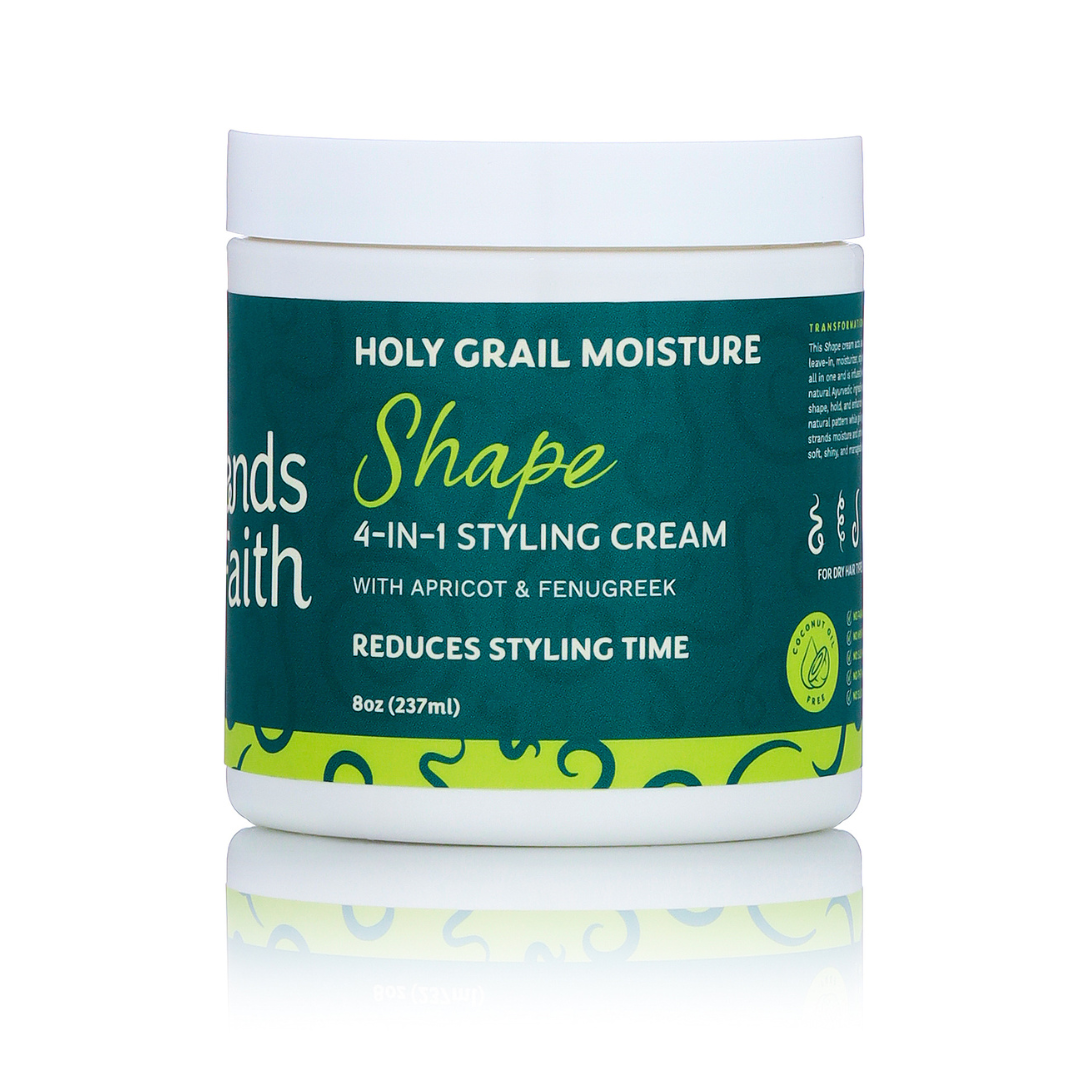
Hydration is key during this stage. Apply the Rosemary & Grace Leave-In Conditioner followed by the Nourish Moisturizing Cream to keep your hair soft, manageable, and less prone to breakage.
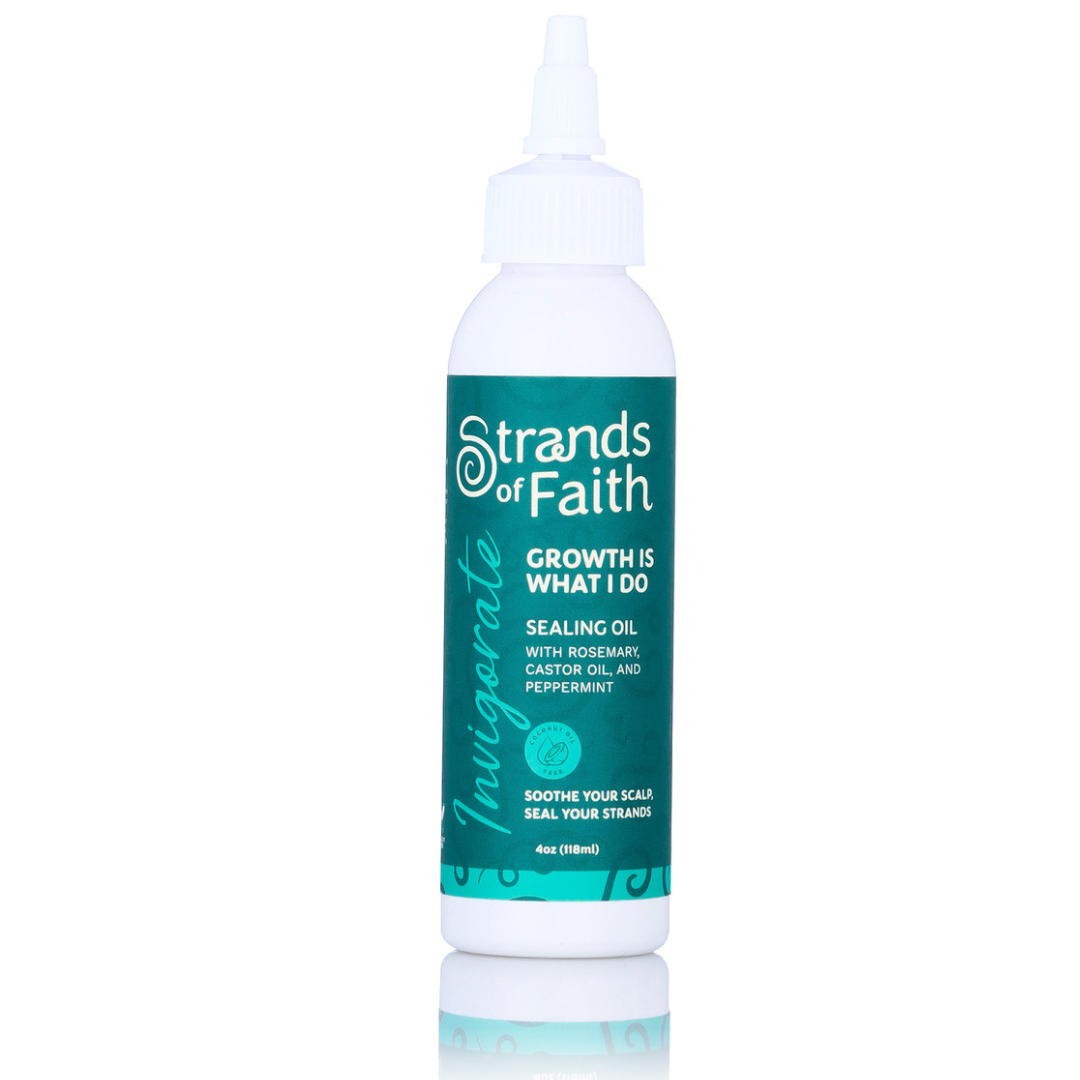
Seal that moisture in with the Invigorate Sealing Oil to help your strands retain hydration for days.
Support Your Scalp Gently
Your scalp plays a major role in your hair’s overall health. Light scalp massages using the Blessed Strands Herbal Elixir can help support circulation and maintain a healthy scalp environment.
Be gentle—this is not the time for aggressive manipulation or heavy tension.
Consistency Over Perfection
Postpartum is a season of adjustment, not just for your hair, but for your entire body. Give yourself grace as you navigate this phase.
Consistency in your routine, along with patience, will always produce better results than trying to fix everything at once.
What I Want You to Remember
With great care, your hair can bounce back.
I’ve seen it happen for myself multiple times. It may take time, but your hair is capable of recovering when you support it with patience and consistency.
Postpartum hair loss is incredibly common, and you are not alone in this experience. Your hair is not “failing”, your body is simply transitioning.
If shedding feels excessive or continues for an extended period, it’s always a good idea to consult a healthcare professional.
But more importantly…
Don’t allow your hair loss to affect your self-esteem.
You and your strands are fearfully and wonderfully made, and hair loss does not take away from your beauty. Not now. Not ever.
Final Thought
Postpartum season is temporary but how you care for your hair during it can make a lasting difference.
Be gentle with your hair.
Be patient with the process.
And most importantly, be kind to yourself.
Ready to Support Your Hair Through This Season?
Explore products designed to hydrate, strengthen, and support your strands:
✨ https://strandsoffaith.com/collections/all
Or simplify your routine with one of our curated bundles for complete care.
You and your strands are fearfully and wonderfully made — and hair loss does not take away from your beauty. Not now. Not ever.