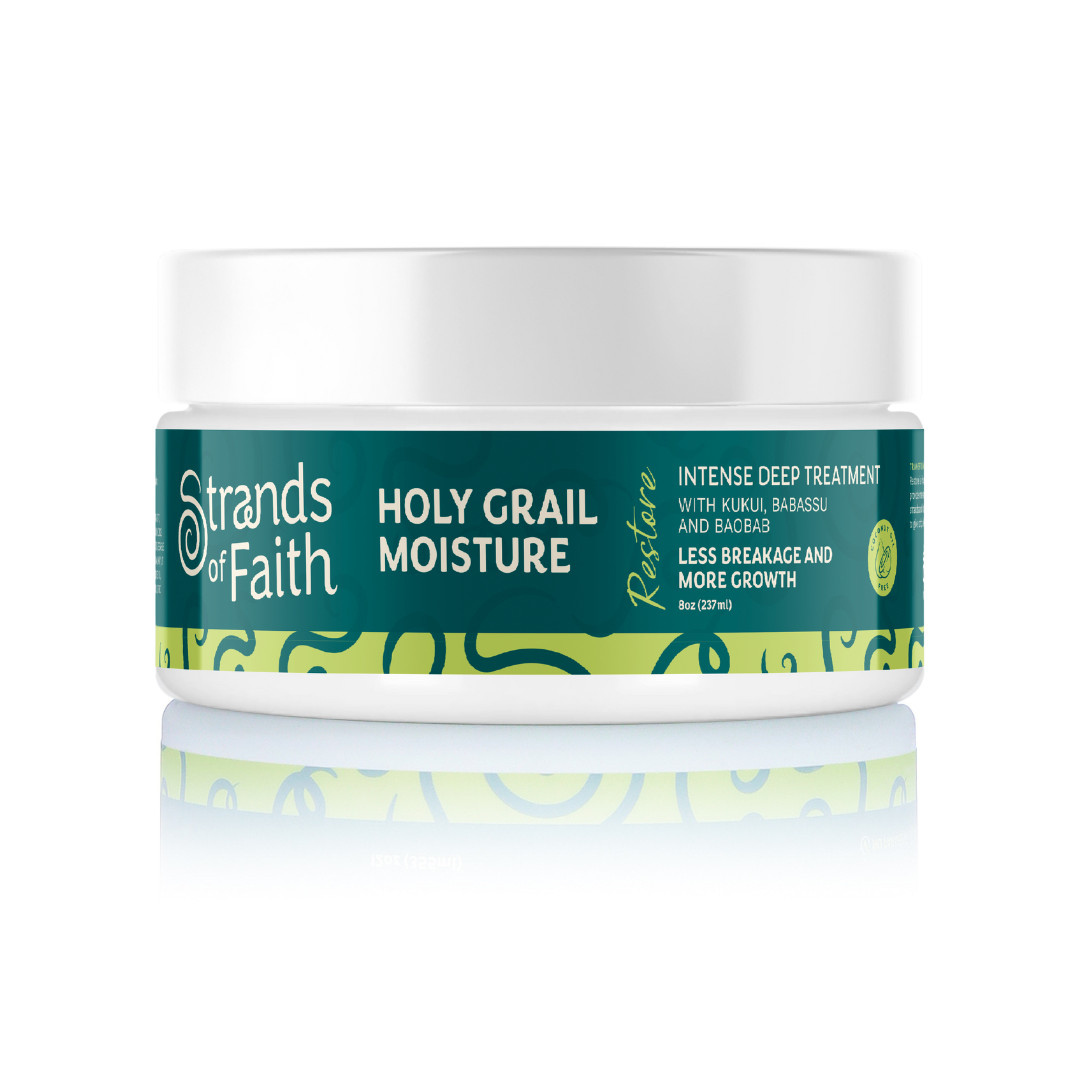
If you’ve ever felt like your hair absorbs products quickly but still ends up dry, or struggles to take in moisture at all, you’re likely dealing with something deeper than just your routine. This is where hair porosity comes in. It’s one of the most important, yet often misunderstood, factors that determines how your hair responds to moisture.
Hair porosity refers to your hair’s ability to absorb and retain moisture. It’s not about how much product you use, but how your hair interacts with what you put on it. And once you understand this, your entire approach to hair care begins to shift.
Scientific research on textured hair highlights just how important porosity really is. Studies show that variations in the hair cuticle, the outermost layer of the strand, directly impact how easily moisture enters and exits the hair Porosity and Resistance of Textured Hair. When the cuticle is more lifted or irregular, moisture can enter quickly, but it also escapes just as fast. When it’s more compact, moisture has a harder time getting in at all.

This is why two people can use the same products and have completely different results. It’s not always about the product itself, it’s about how your hair is structured to receive it.
When you break it down, porosity generally falls into three categories. Low porosity hair has tightly packed cuticles that resist moisture, meaning products often sit on top of the hair instead of being absorbed. High porosity hair has more open cuticles, allowing moisture to enter quickly but also making it easier for that moisture to leave. Medium porosity hair tends to have a balance, where moisture can enter and stay more effectively.
For textured hair, higher porosity is more common due to the natural structure of the strand. The bends and curves in the hair create more opportunities for the cuticle to lift, which increases moisture loss over time. This means your hair may respond quickly to hydration, but struggle to maintain it.
This is where many routines fall short. A lot of advice focuses only on adding moisture, but without considering porosity, that moisture may not be retained. If your hair absorbs moisture quickly but loses it just as fast, you may find yourself constantly reapplying products without seeing lasting results. On the other hand, if your hair resists moisture, layering more products won’t solve the issue if nothing is actually penetrating the strand.
Understanding your porosity helps you stop guessing and start being intentional. Instead of following generic routines, you begin to build one that actually supports your hair’s needs. For higher porosity hair, this means focusing on both hydration and sealing. For lower porosity hair, it means helping moisture penetrate more effectively before sealing it in.
Once your routine aligns with your porosity, you’ll start to notice real changes. Your hair will hold moisture longer, feel more balanced, and require less constant maintenance. It won’t feel like you’re fighting your hair anymore, because you’re finally working with it.
What Your Hair Actually Needs Moving Forward
Now that you understand how porosity affects your hair, the focus isn’t just on using more products, it’s on using the right combination that actually supports your hair. Your hair needs moisture that can penetrate the strand, support that helps strengthen and smooth, and a way to seal that moisture in so it lasts. Without all three, you’ll continue to experience the same cycle of dryness or buildup.
A Simpler Way to Support Your Hair
Instead of constantly switching products or guessing what your hair needs, using a routine designed to hydrate, support, and lock in moisture can completely change how your hair feels over time. When your products are aligned with your porosity, you’ll notice longer-lasting softness, less dryness between wash days, and hair that feels healthier overall.
Where to Start Based on Your Porosity (With Product Integration)
Now that you understand your hair’s porosity, your routine should reflect what your hair actually needs, not just what’s trending.
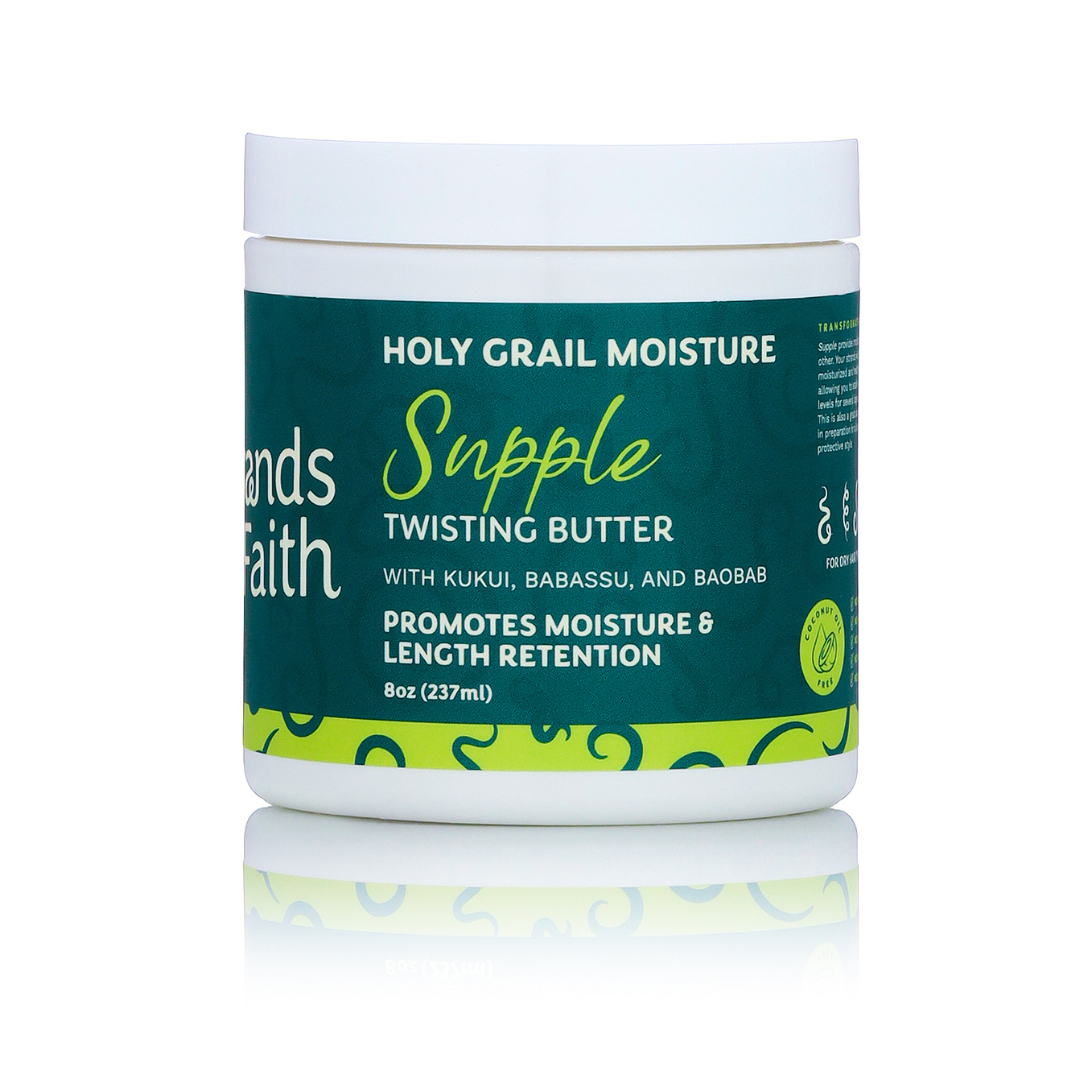
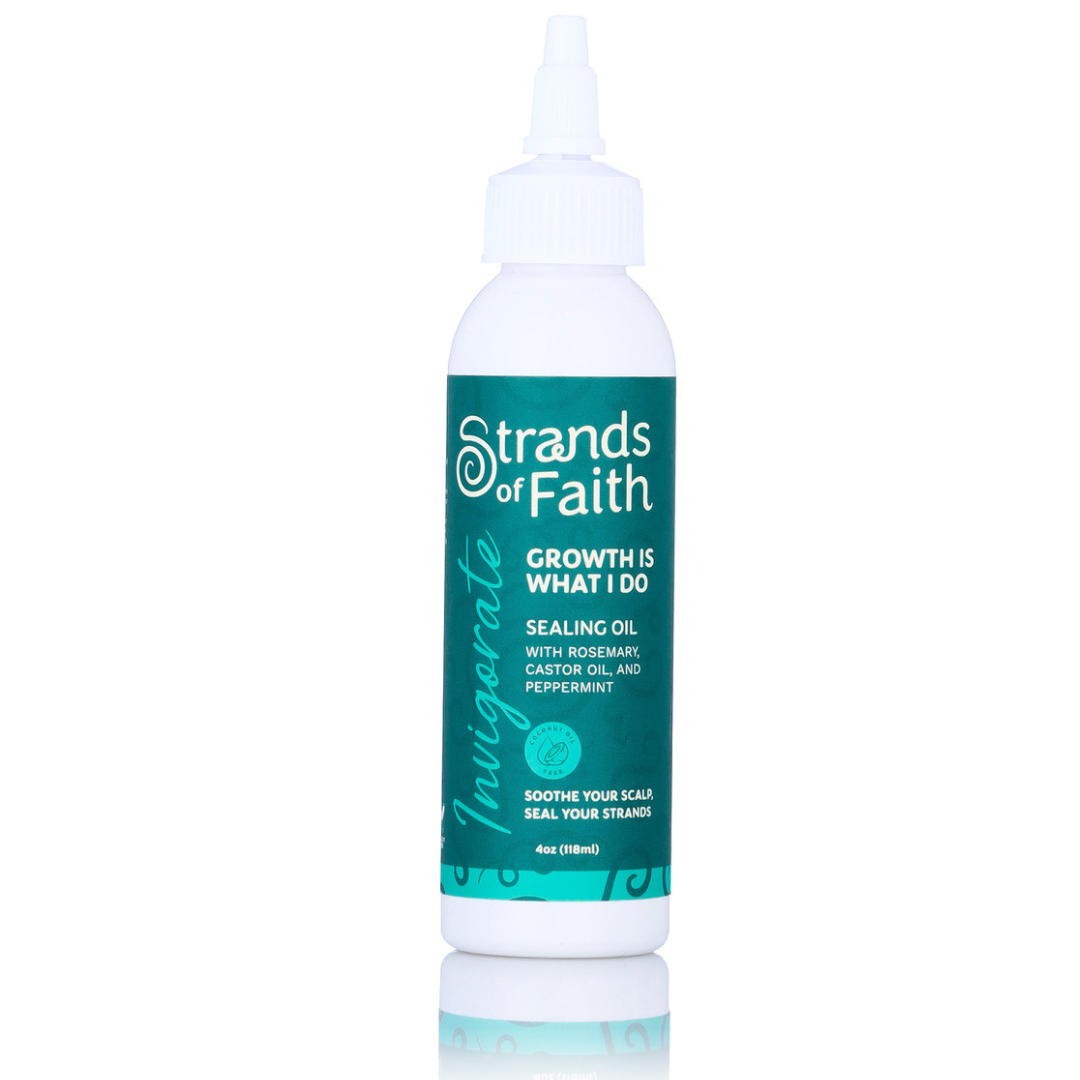
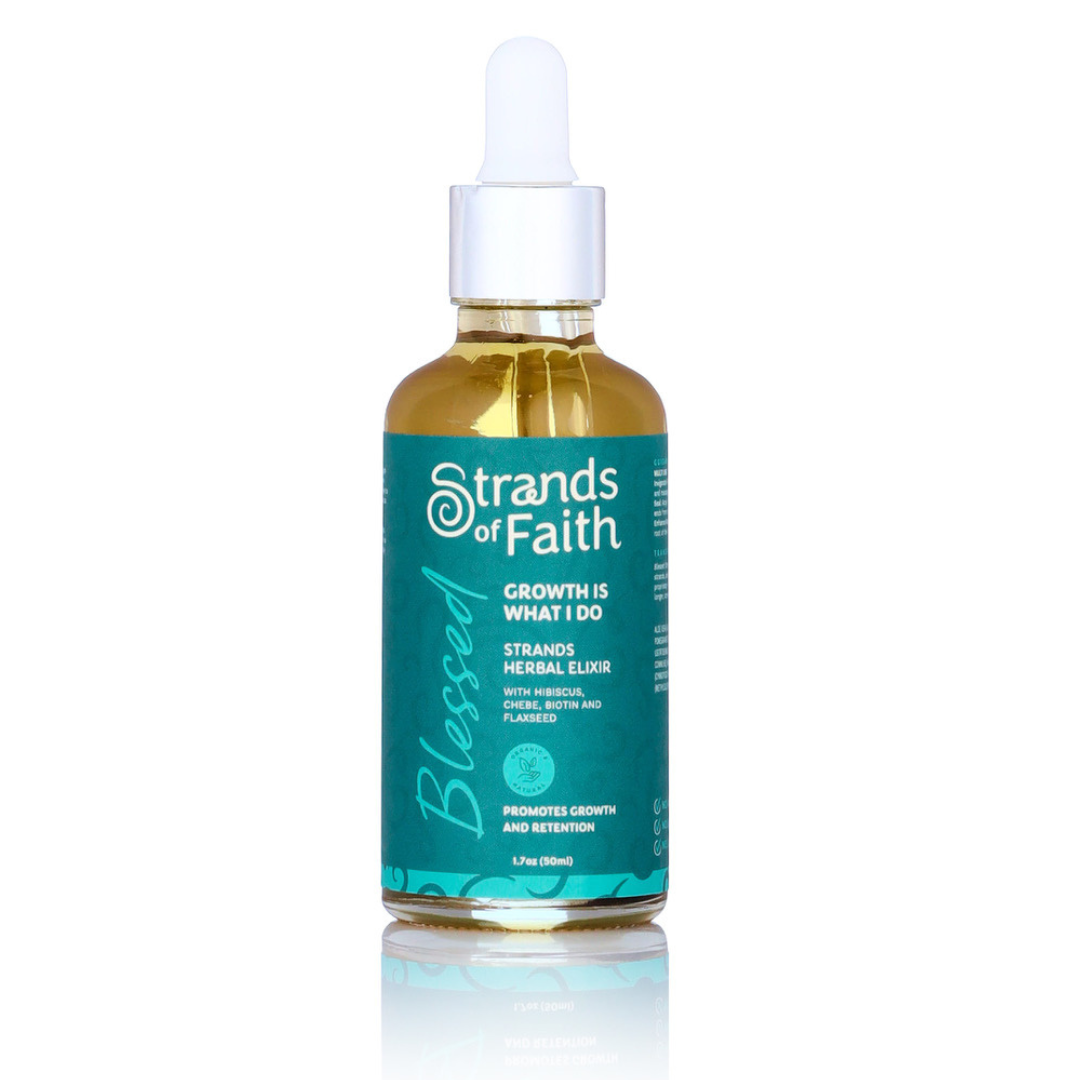
If your hair is higher porosity, focus on deep hydration followed by sealing. Hair that loses moisture quickly needs products that can both nourish and protect the strand. Start with the Supple Twisting Butter to deeply hydrate and soften your hair, then follow with the Invigorate Sealing Oil to help seal in that moisture and reduce dryness throughout the week.
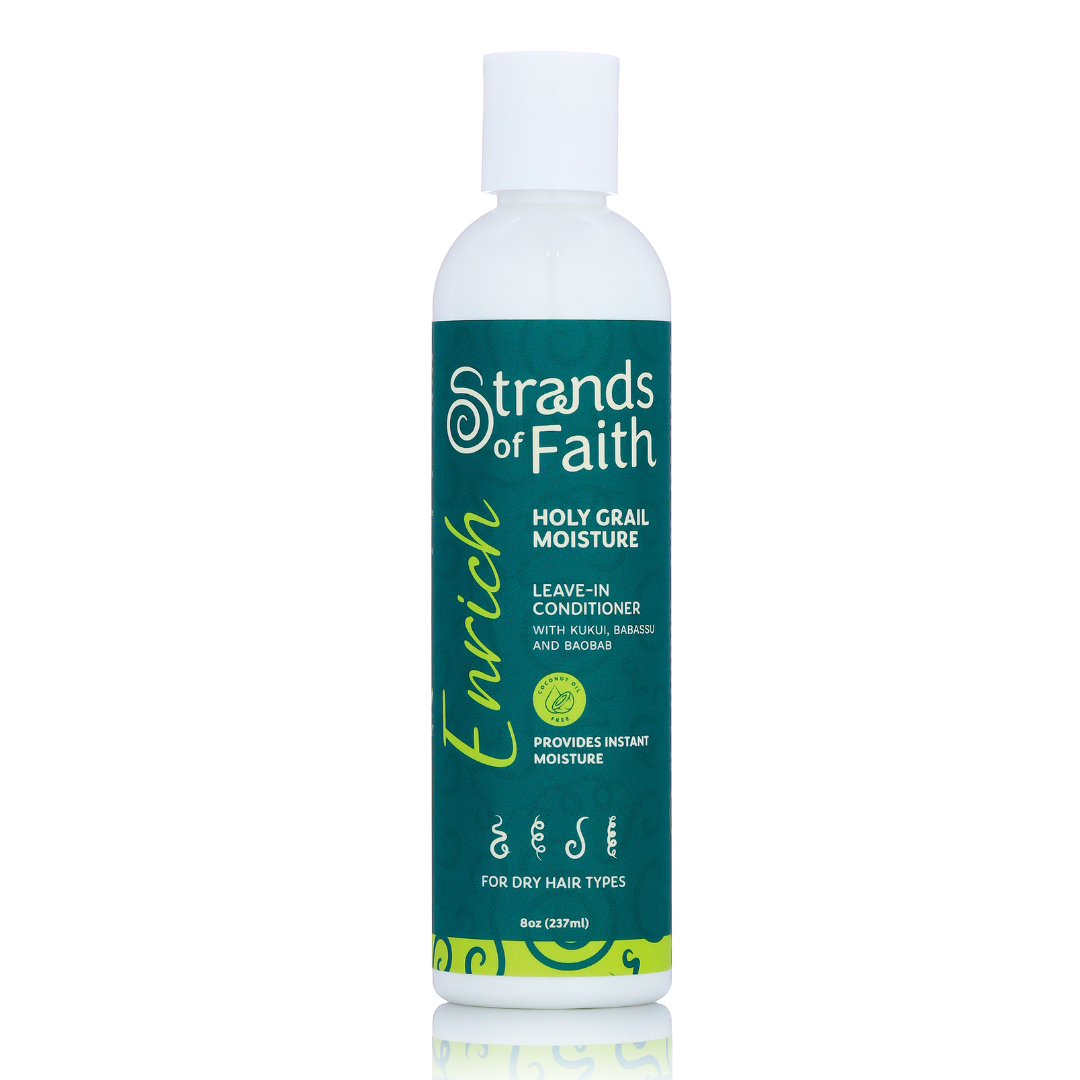
If your hair is lower porosity, the goal is to help moisture actually penetrate the strand. Lightweight, easily absorbable formulas work best here. Apply the Enrich Leave in Conditioner on damp hair to improve absorption, and use a small amount of the Invigorate Sealing Oil to seal without causing buildup.
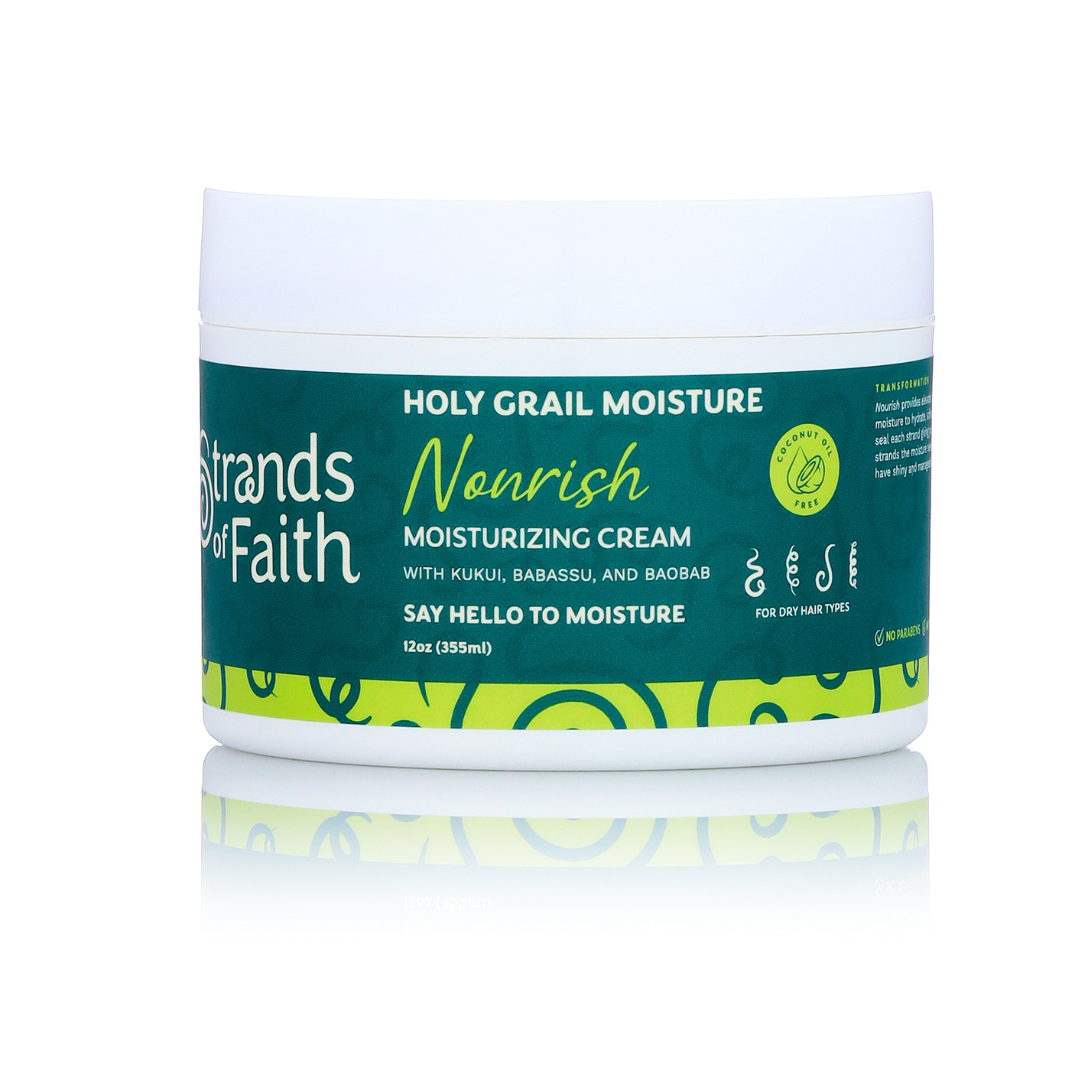
For those with balanced or medium porosity, consistency is key. Using the Nourish Moisturizing Cream alongside the Invigorate Sealing Oil helps maintain hydration while keeping your hair soft and manageable between wash days.
When these steps work together, your hair is supported from start to finish, not just temporarily, but consistently.
Explore the full bundle collections
Keep The Faith
You don’t need more products, you need better understanding. And once you learn how your hair actually works, everything begins to change.
Faith Reminder: Your hair will respond when you give it what it actually needs.
Enhance Your Healthy Hair Journey
Explore products designed to cleanse, nourish, and support a balanced hair routine:
Or build a complete routine with one of our curated bundles for consistent care.