If you’ve ever moisturized your hair, felt it soft and hydrated in the moment, and then noticed just a few hours later that it feels dry again, you’re not imagining things. This is one of the most common frustrations for people with textured hair, and for a long time, many assume they’re doing something wrong. They switch products, try new routines, or constantly reapply moisture throughout the day, hoping something will finally stick. But the truth is, this experience has less to do with what you’re doing wrong and more to do with how your hair is naturally structured.
Textured hair behaves differently, and once you understand that difference, everything starts to make more sense. A 2024 study on textured hair, The Genomic Variation in Textured Hair: Implications by Oladele, highlights that Afro-textured hair has greater porosity, more structural variation along the strand, and more difficulty retaining moisture over time. This isn’t just a surface-level issue, it’s built into the very structure of the hair itself.
 When you break that down into real life, it means your hair isn’t just dry for no reason. Textured hair strands have bends, curves, and coils that make it harder for natural oils from your scalp to travel down the length of the hair. In straighter hair types, those oils can move more easily, helping to naturally coat and protect the strand. But in textured hair, that journey is interrupted over and over again by each curve and coil, leaving the mid-lengths and ends more vulnerable to dryness.
On top of that, higher porosity means your hair can absorb moisture, but it also loses it just as quickly. Think of it like a sponge with larger openings. Water goes in easily, but it also escapes faster if nothing is there to hold it in. So even when you’re applying good products, even when your hair feels soft right after wash day, the moisture doesn’t stay where it needs to.
This is why your hair might feel dry shortly after styling, why your ends become rough faster than your roots, and why you may constantly feel like you need to reapply products just to maintain softness. It’s not that your hair isn’t responding, it’s that your routine may not be designed to support how your hair actually functions.
A lot of people are taught to focus only on adding moisture. You hear it all the time, “keep your hair moisturized,” “add more product,” “hydrate your hair daily.” And while moisture is important, that’s only one part of the process. If your routine stops at applying moisture, you’re missing the step that actually makes the difference over time.
Because here’s the reality, adding moisture without sealing it in creates a cycle. You apply a product, your hair feels good temporarily, and then the moisture evaporates. So you apply more, and the cycle repeats. Over time, this can even lead to buildup without actually improving the health of your hair.

What your hair truly needs is both hydration and retention. Hydration brings moisture into the strand, but retention is what keeps it there. Without that second step, your hair is constantly losing what you’re putting in. And when your hair is already more prone to losing moisture due to its structure, skipping that step makes the problem even more noticeable.
This is where understanding your hair changes everything. Instead of constantly chasing new products or trying to fix the same issue over and over again, you begin to approach your routine with intention. You start focusing on supporting your hair’s natural structure instead of working against it. You realize that your hair isn’t difficult, it just requires a different kind of care.
A routine that works for textured hair is one that considers how quickly moisture can be lost and actively works to prevent that. That means using products that not only hydrate but also help seal and protect the strand. It means being mindful of how you layer your products, how often you manipulate your hair, and how you maintain it between wash days.
It also means letting go of the idea that more is always better. Sometimes the issue isn’t that you need more products, it’s that you need the right combination of products working together in a way that makes sense for your hair.
When you start to build a routine around moisture retention, you’ll notice subtle but important changes. Your hair stays softer longer. Your ends feel less brittle. You’re not constantly reaching for products throughout the day. And over time, your hair begins to look and feel healthier in a way that actually lasts.
This is also why a system, rather than random individual products, often leads to better results. When products are designed to work together, they support both hydration and retention in a balanced way. Instead of guessing what to use and when, you have a routine that consistently supports your hair from start to finish.
The goal isn’t just to make your hair feel good in the moment. It’s to create lasting moisture, strength, and overall health. And that only happens when your routine aligns with how your hair actually behaves.
So if you’ve been feeling frustrated, if it seems like nothing is working, or if you’re constantly dealing with dryness no matter what you try, take a step back and consider this. Your hair isn’t failing. It’s responding exactly the way it’s designed to.
Once you understand that textured hair naturally loses moisture faster, you can stop blaming yourself and start adjusting your approach. You can focus on building a routine that hydrates, seals, and supports your hair consistently over time.
Because healthy hair isn’t about doing the most. It’s about doing what works for you, and more importantly, what works for your hair.

What Your Hair Actually Needs Moving Forward
Now that you understand why textured hair loses moisture faster, the focus isn’t just on adding more products, it’s on using the right combination that actually supports your hair.
Your hair needs moisture that penetrates the strand, support that helps strengthen and smooth, and a way to seal that moisture in so it lasts. Without all three, you’ll continue to experience the same cycle of dryness.
A Way to Support Your Hair
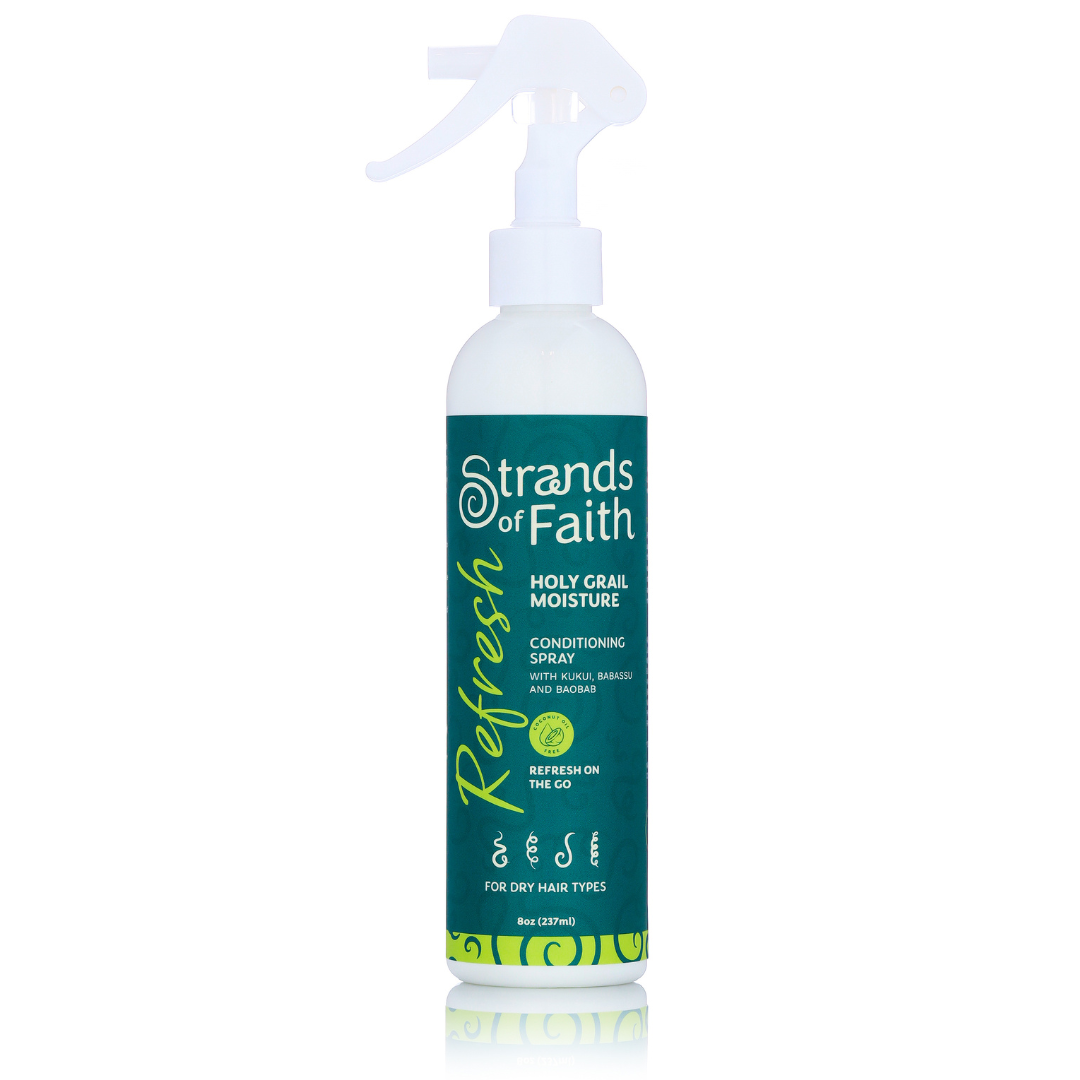
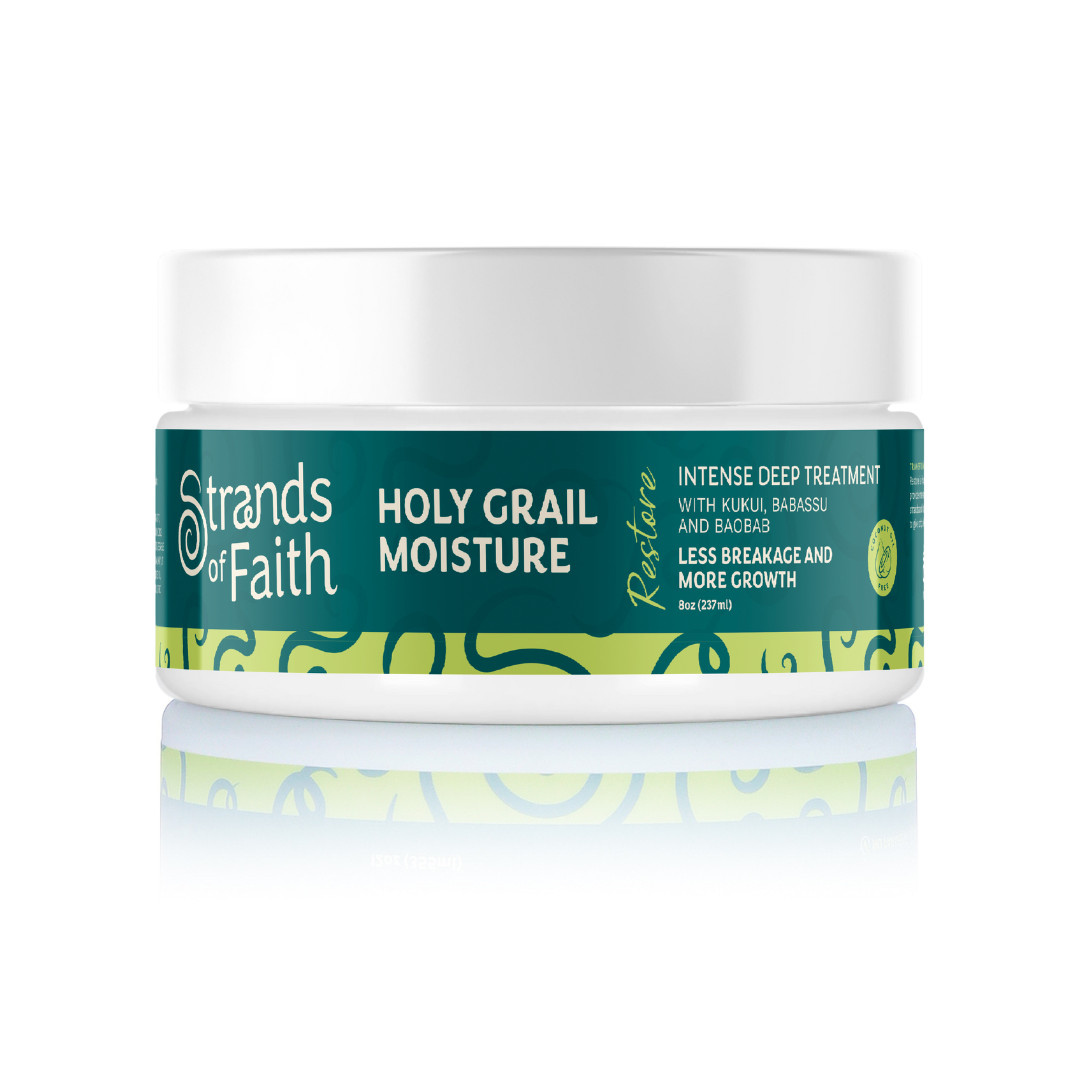
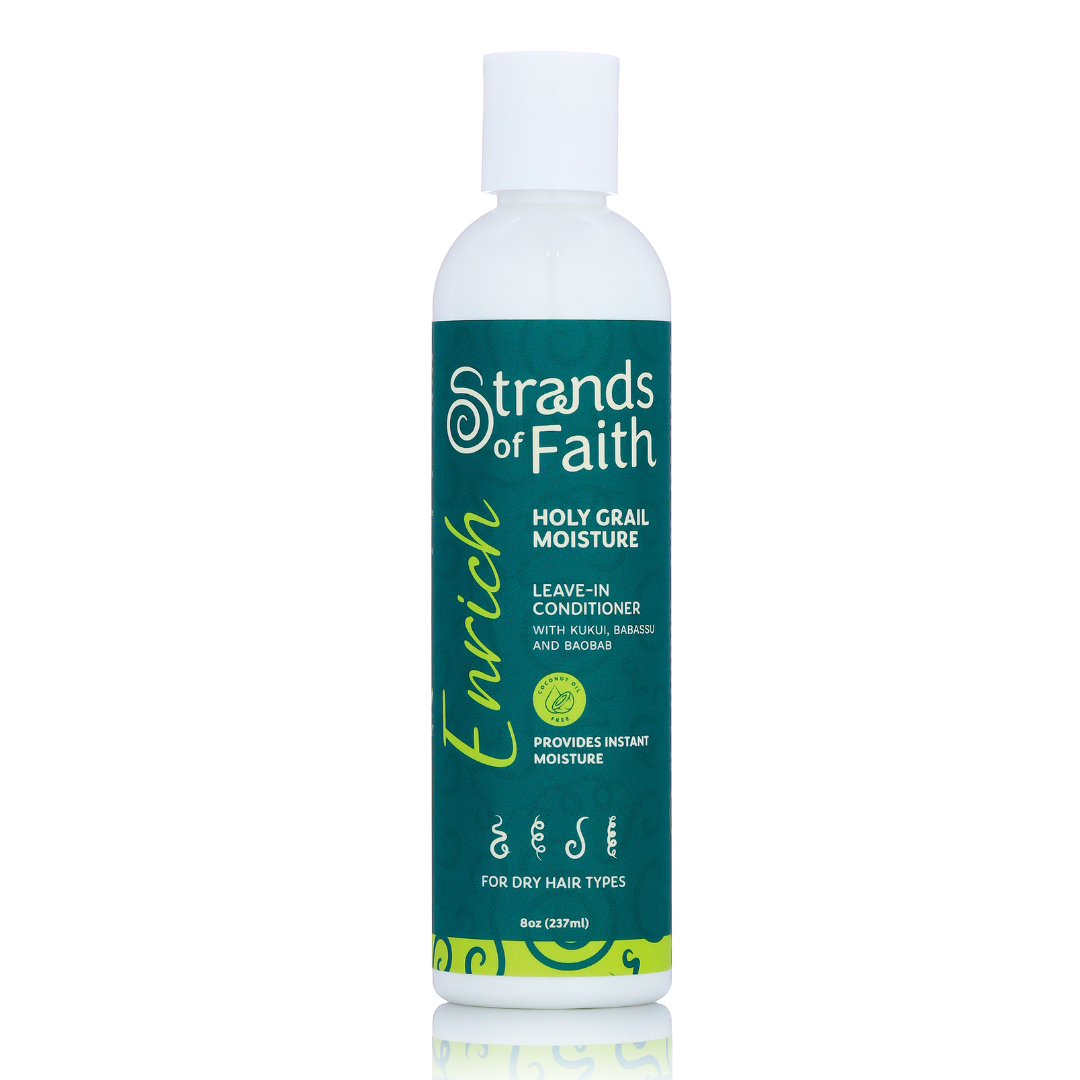
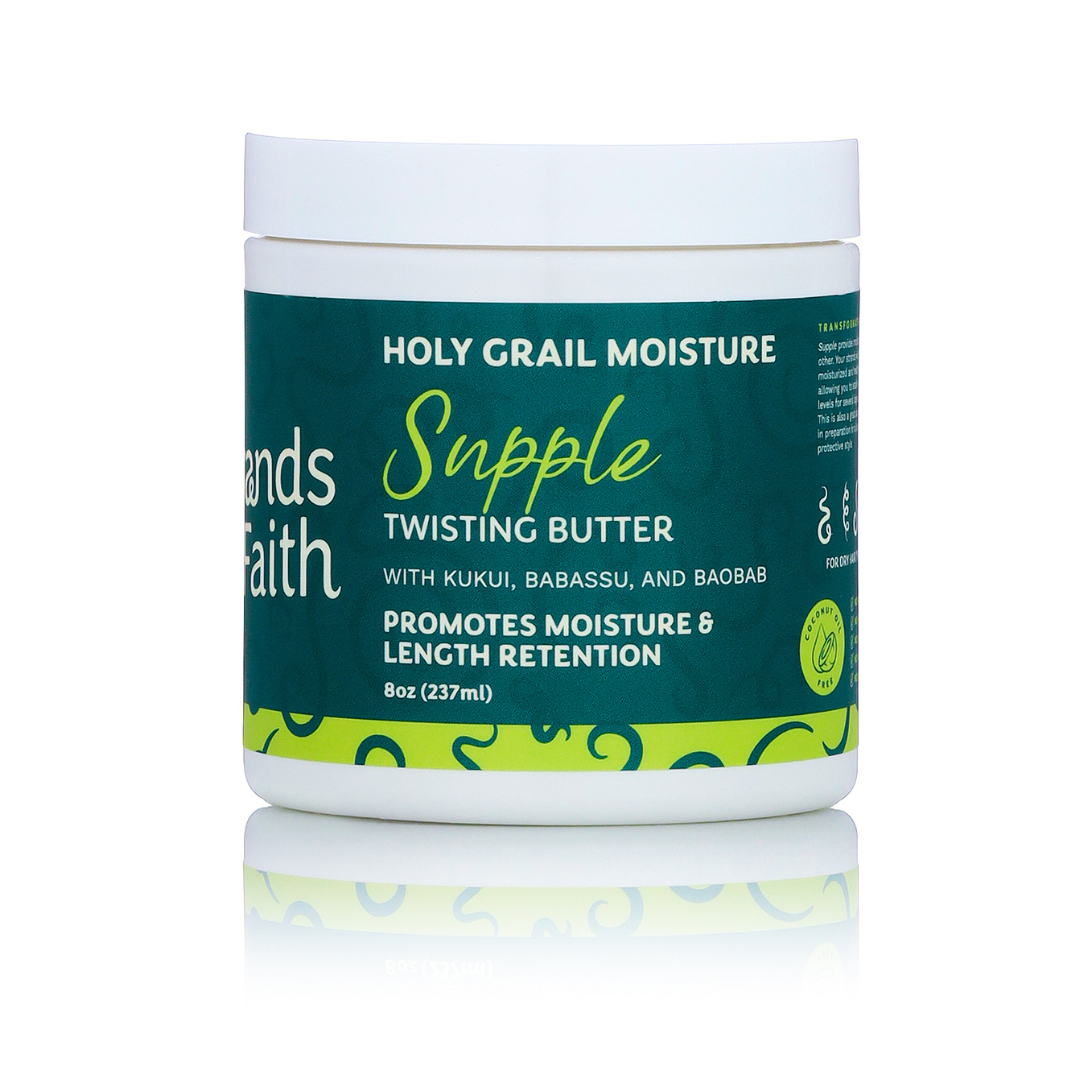
Instead of guessing or constantly switching products, using a routine designed to hydrate, support, and lock in moisture can completely change how your hair feels over time.
When your products are working with your hair structure instead of against it, you’ll notice longer-lasting softness, less dryness between wash days, and hair that feels healthier overall.
Where to Start
If your hair struggles to stay moisturized, start with a routine that focuses on both hydration and retention.
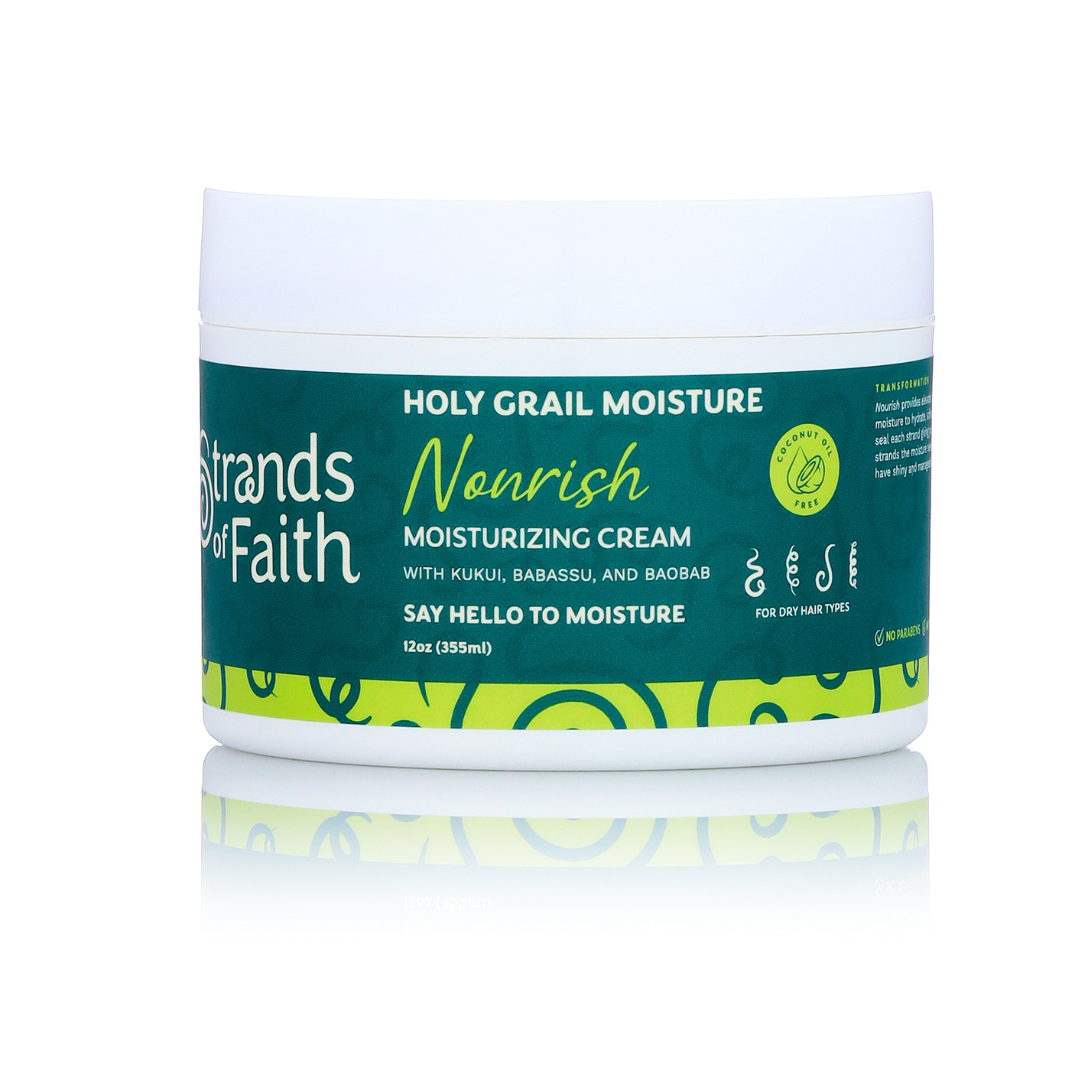
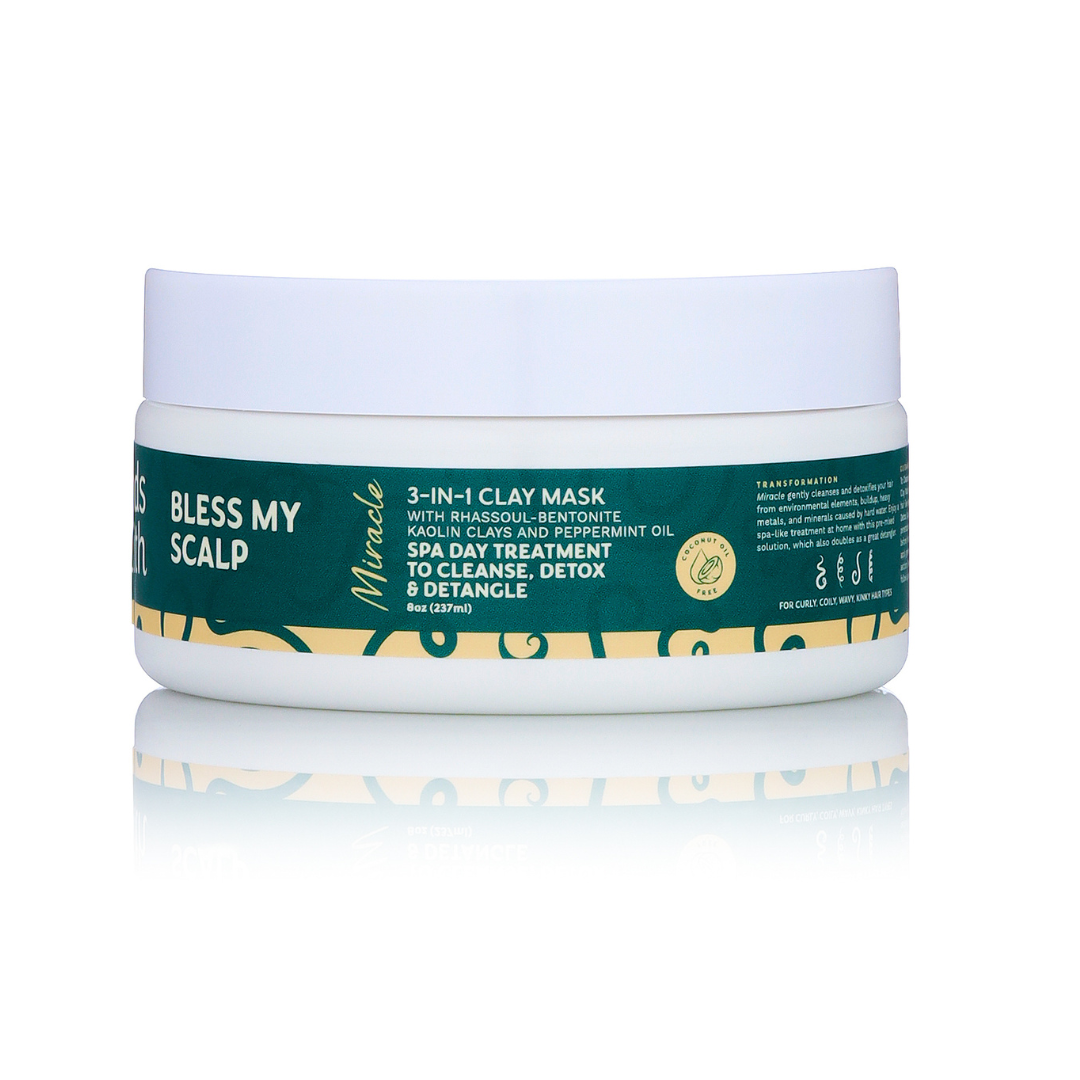
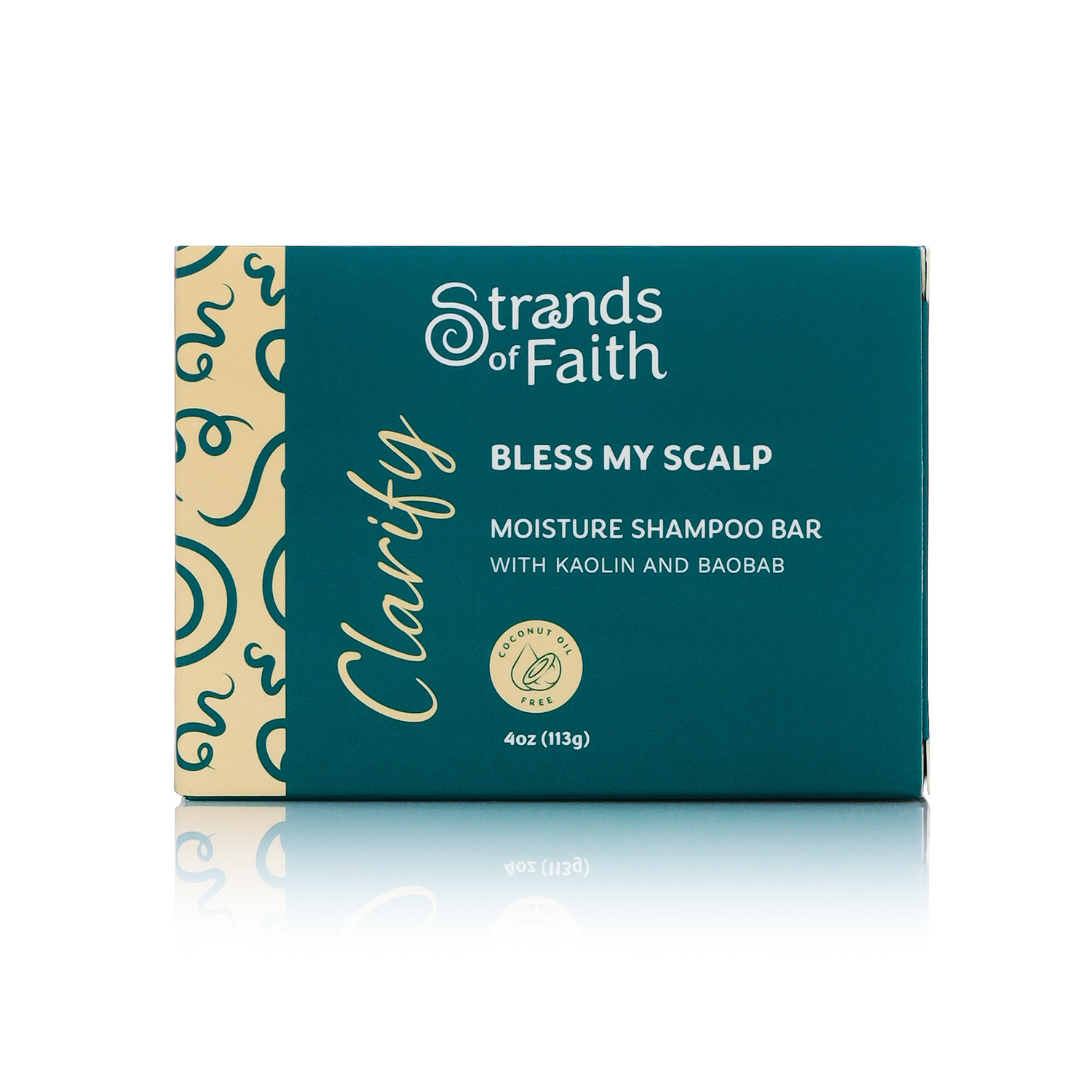
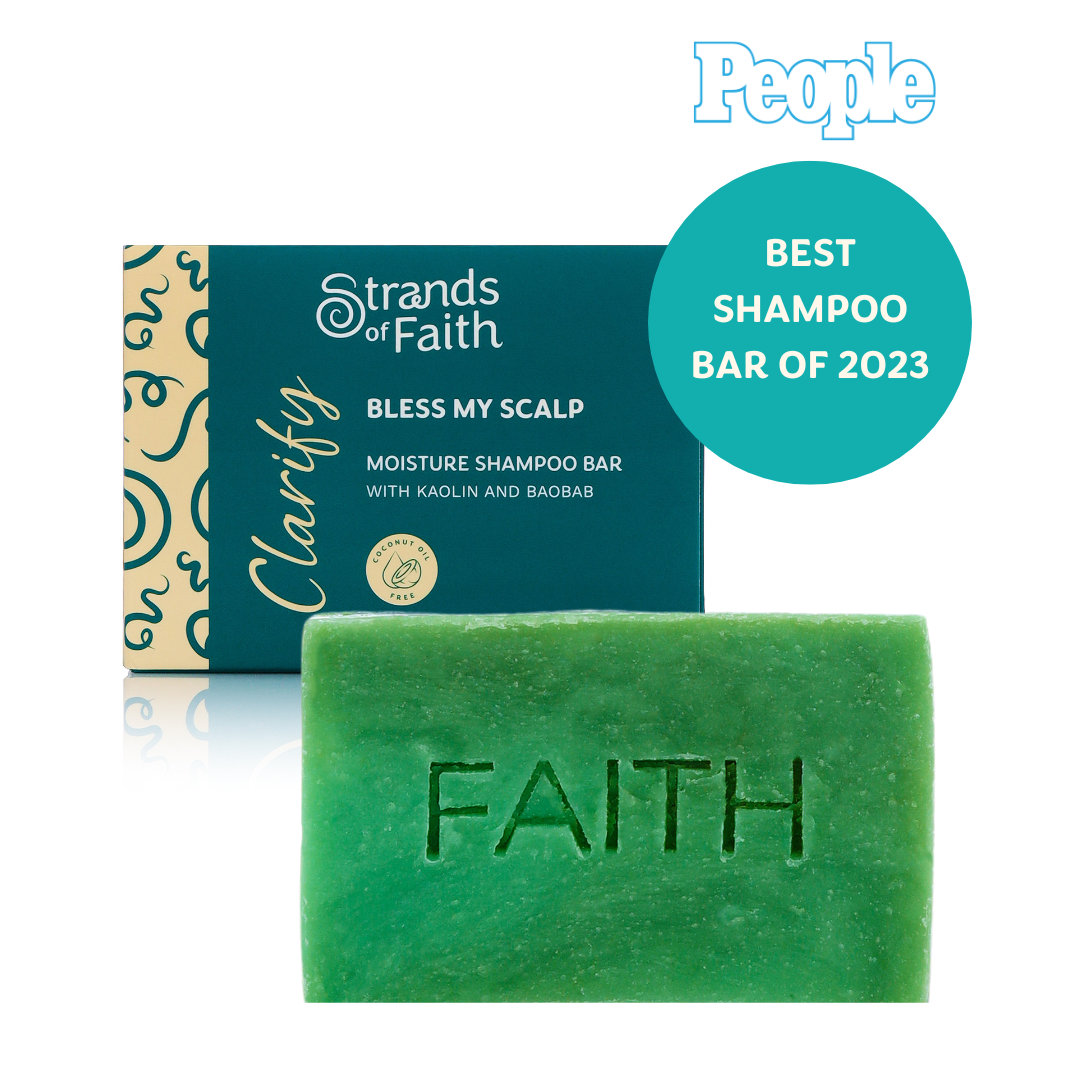
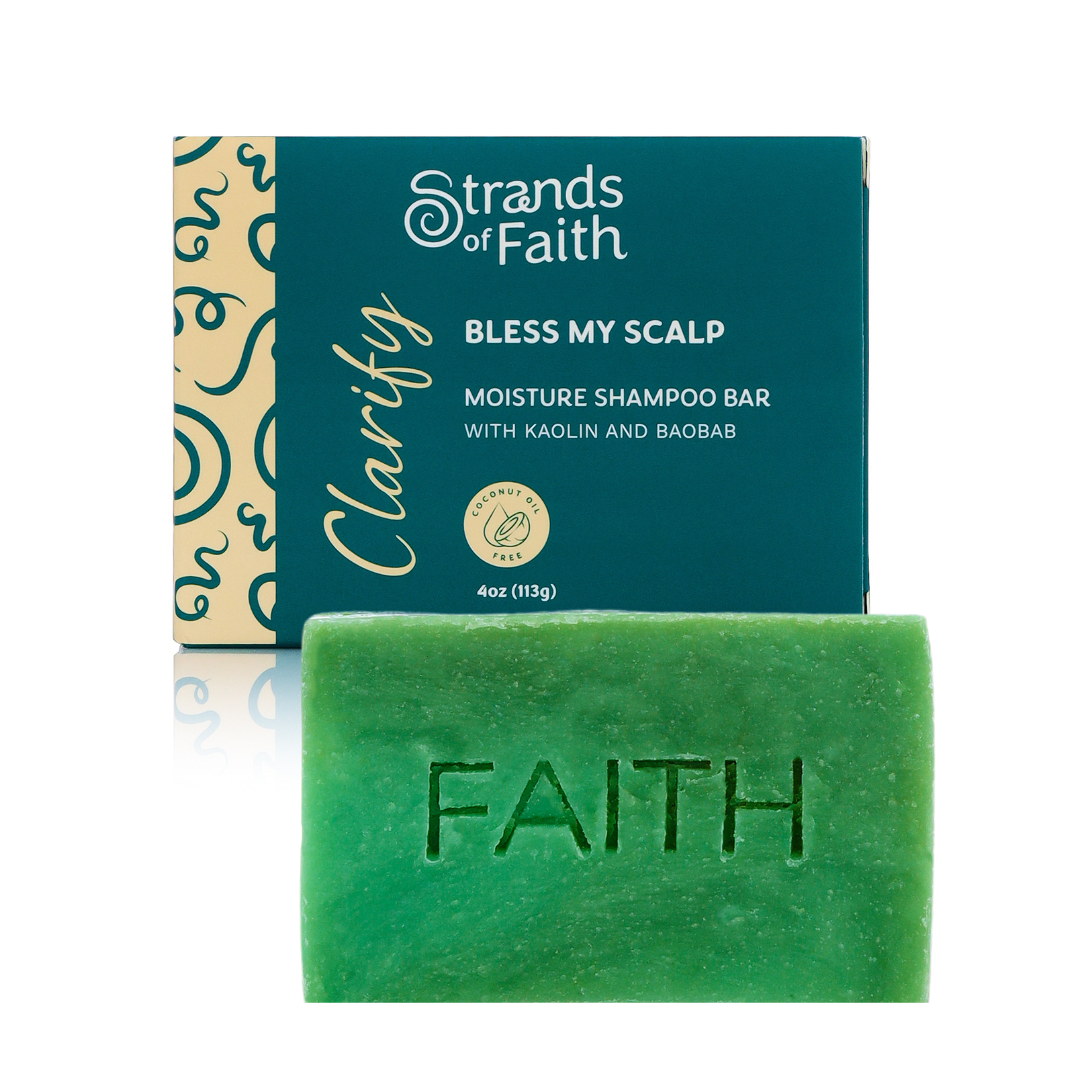
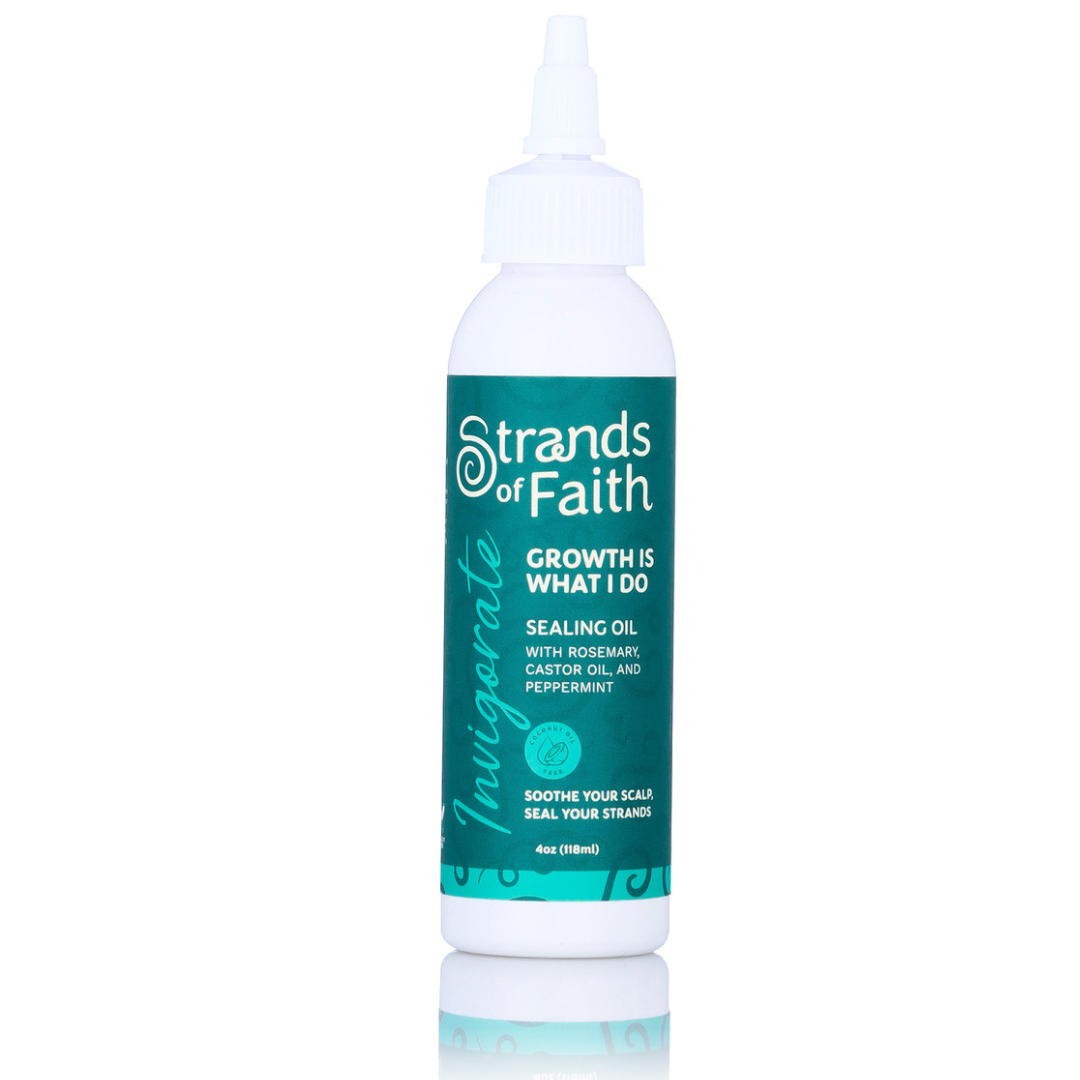
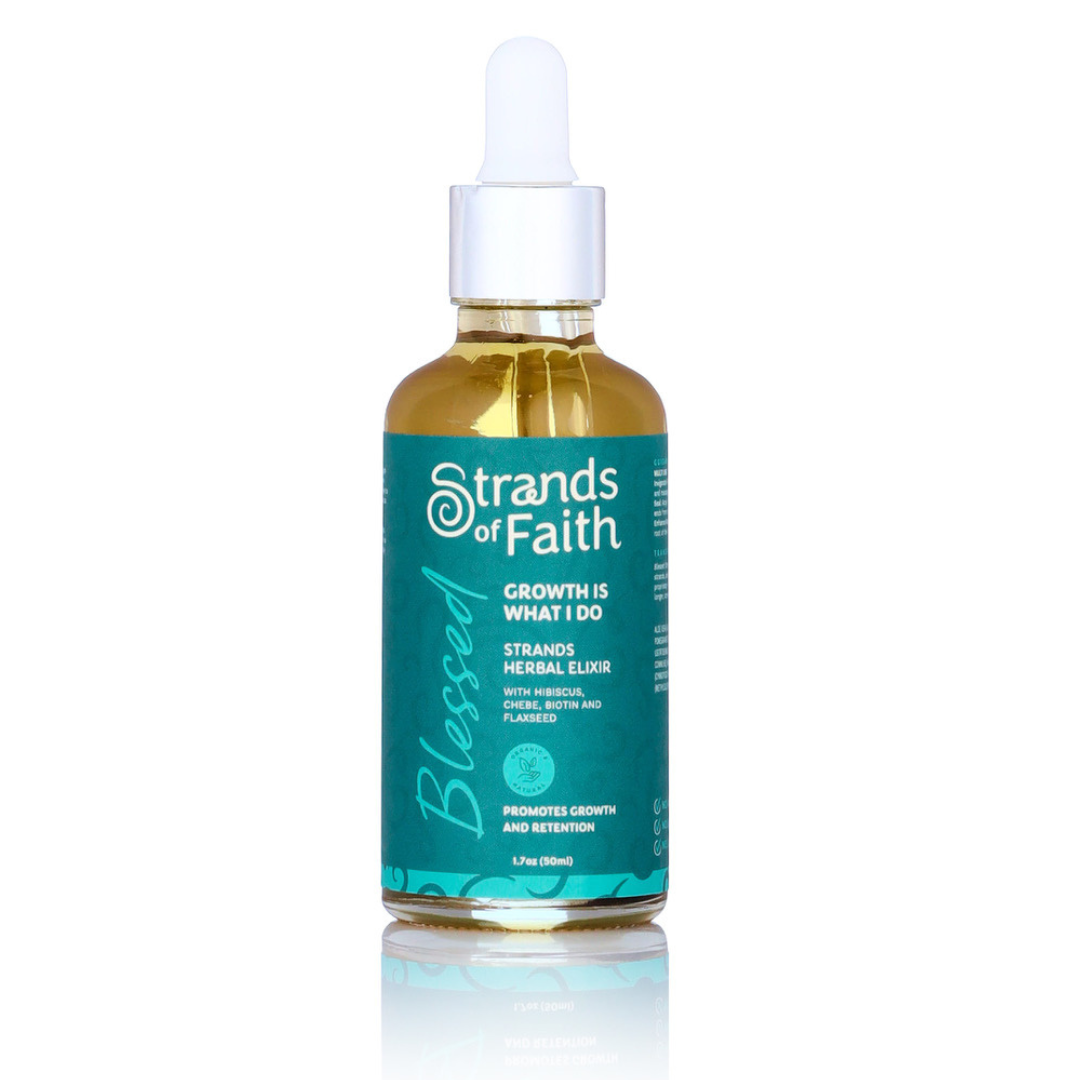
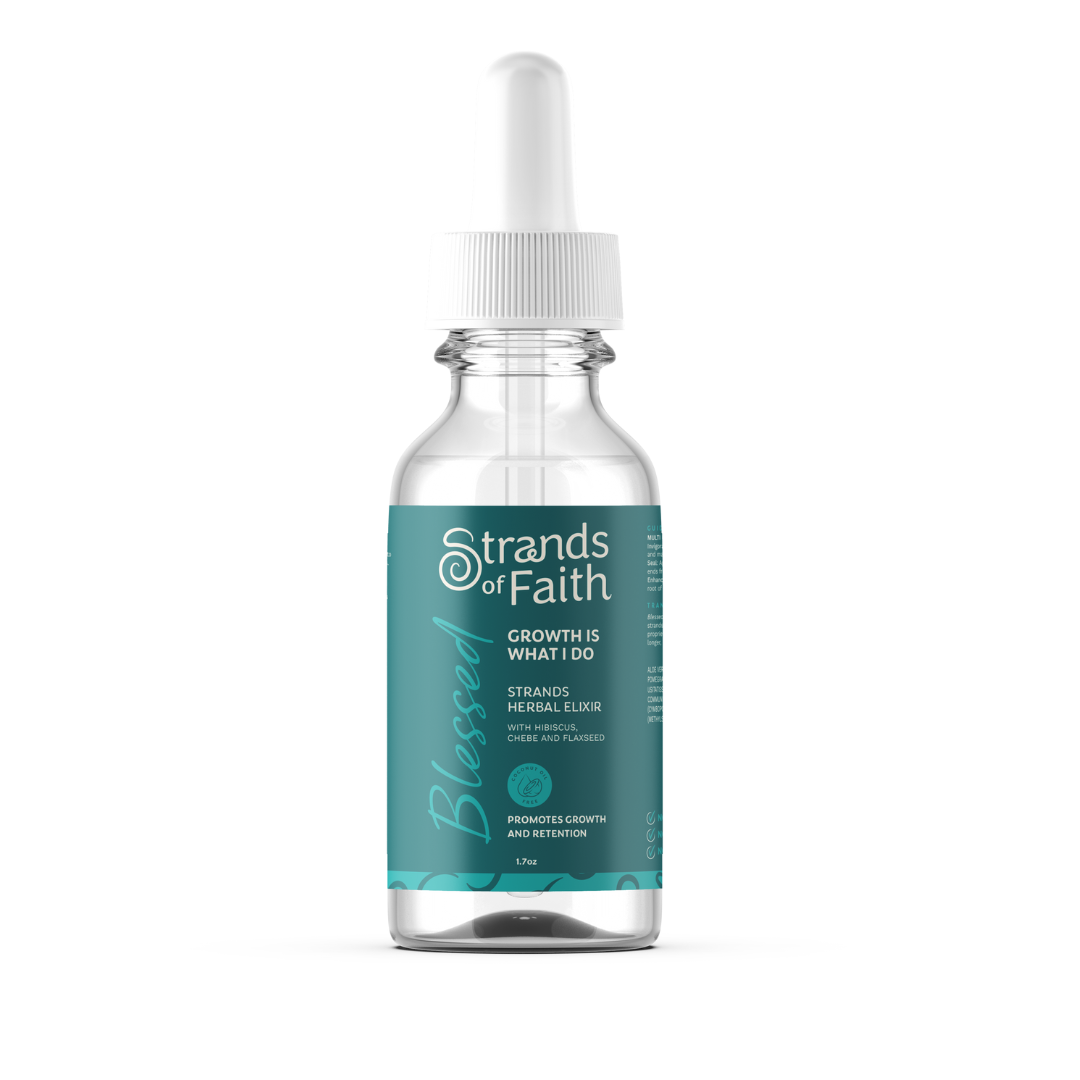
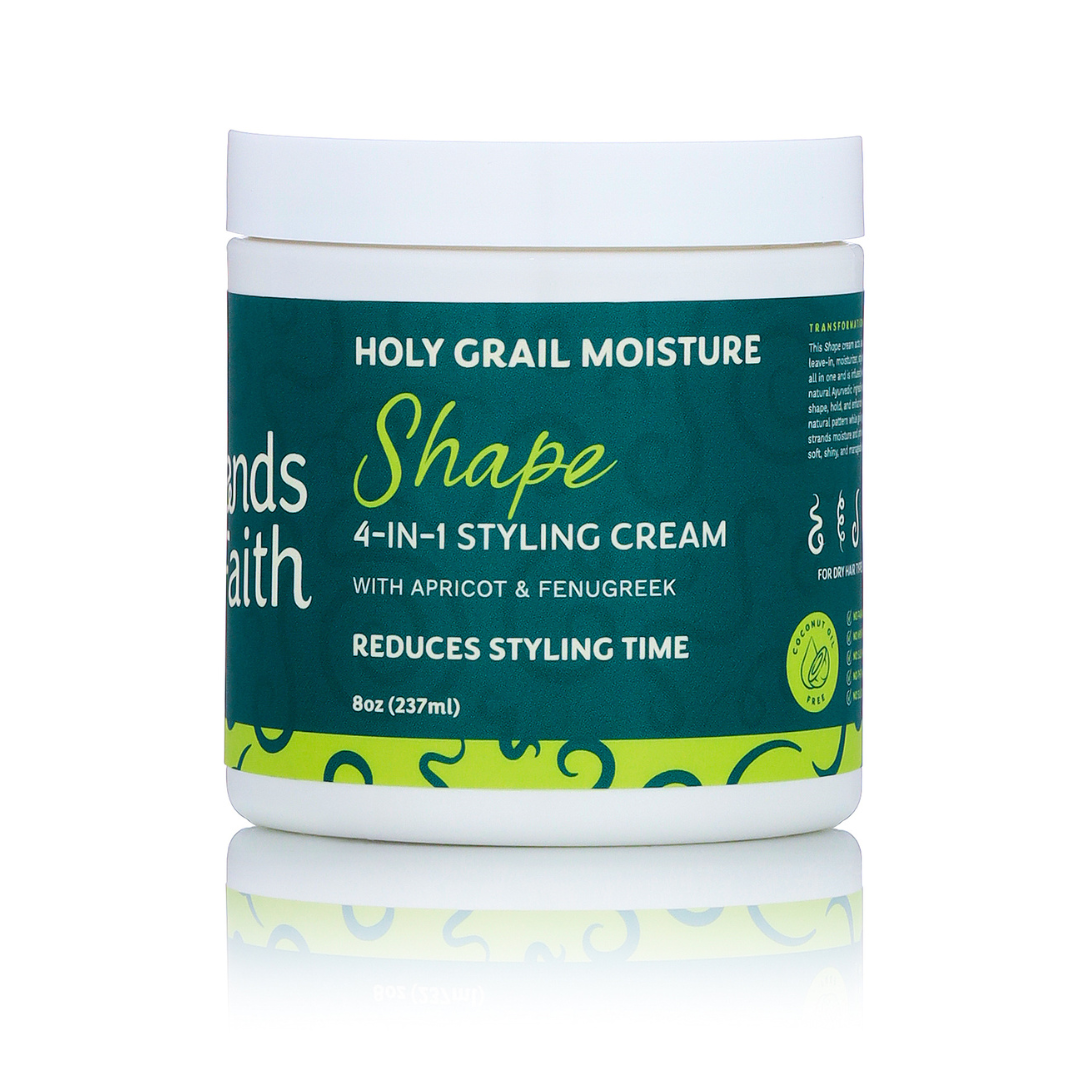
A gentle cleanse to reset the scalp, a moisturizing cream to hydrate the strand, and a lightweight oil to seal everything in can help support exactly what your hair needs.
Explore the full collection here
Final Thought
You don’t just need more products, you need the right approach.
And once you give your hair what it actually needs, you’ll start to see the difference
Blesstie Reminder: Your hair will respond when you give it what it actually needs.