At first, it’s subtle. Then over time, the thinning becomes more noticeable, and your hairline starts to shift. This can feel frustrating, confusing, and even discouraging.
In many cases, this is a sign of traction alopecia.
What Is Traction Alopecia?
Traction alopecia is hair loss caused by repeated tension on the hair follicles. This tension weakens the follicle over time, especially around the hairline where strands are more delicate.
Common causes include tight styles, heavy extensions, frequent pulling, and constant manipulation. The stress placed on the follicle eventually leads to thinning and, in some cases, long-term damage.

Early Signs to Pay Attention To
Traction alopecia develops gradually, which is why it’s often overlooked in the beginning. Paying attention to early signs can help prevent further damage.
You may notice thinning edges, small bumps along the hairline, tenderness, or short broken hairs around the perimeter. Your scalp may also feel sore after styling, which is a sign that tension is too high.
Why This Happens More Often Than We Think
Many styles labeled as “protective” can actually become harmful when done too tightly or worn too frequently. It’s not just about the style, it’s about the tension, frequency, and lack of recovery time.
Your scalp needs balance. Without proper care between styles, the follicles don’t get the chance to recover, and over time, that stress adds up.

Can It Be Reversed?
If caught early, traction alopecia can improve by reducing tension and supporting your scalp environment. However, if the follicle has been damaged for a long period, regrowth may be limited.
That’s why it’s important to shift your focus from correction to consistent, supportive care.
How to Protect Your Edges Moving Forward
Start by choosing styles that don’t pull tightly at your hairline. Give your hair regular breaks between protective styles, and avoid constant manipulation of your edges.
Just as important, care for your scalp and strands intentionally, not just when there’s a problem.
Build a Routine That Supports Your Scalp
While no product can treat medical hair loss, the right routine can support scalp health, reduce breakage, and help protect the hair you have.
Cleanse gently to maintain balance:
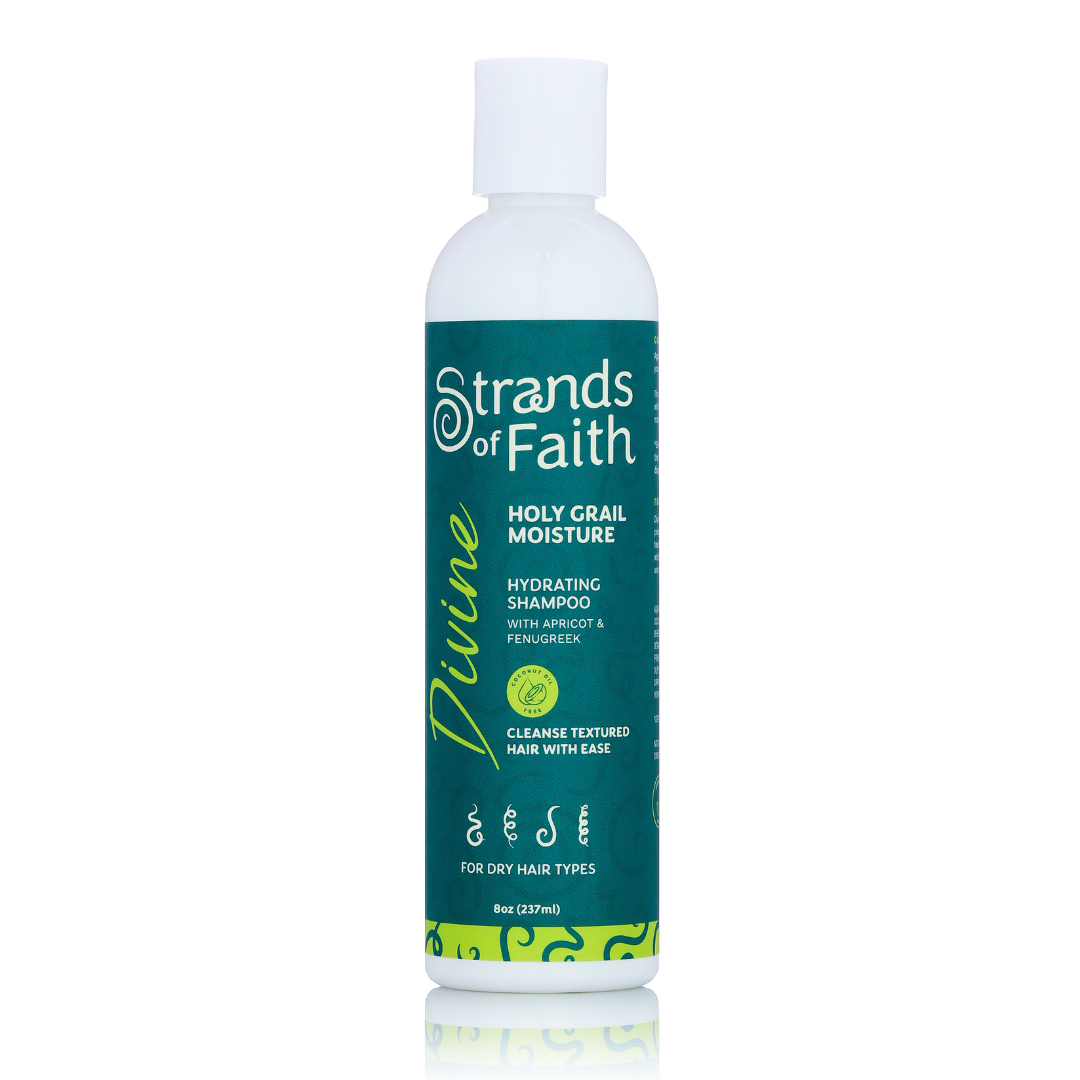
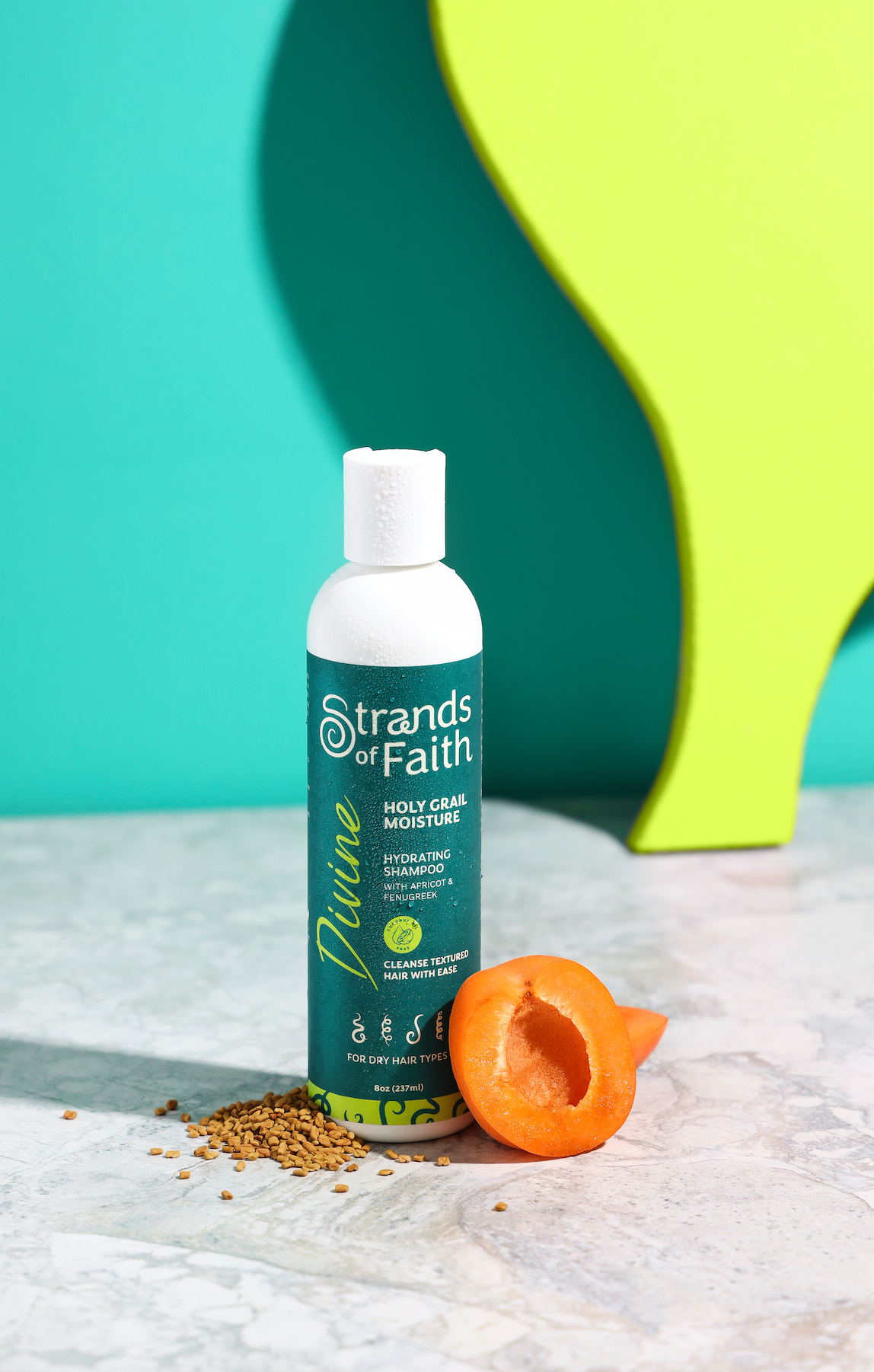
Start with either the Divine Hydrating Shampoo or the Rosemary & Grace Hydrating Shampoo. Both cleanse your scalp without stripping it, which is especially important when your edges are fragile and need a supportive environment.
Restore moisture and strengthen your strands:
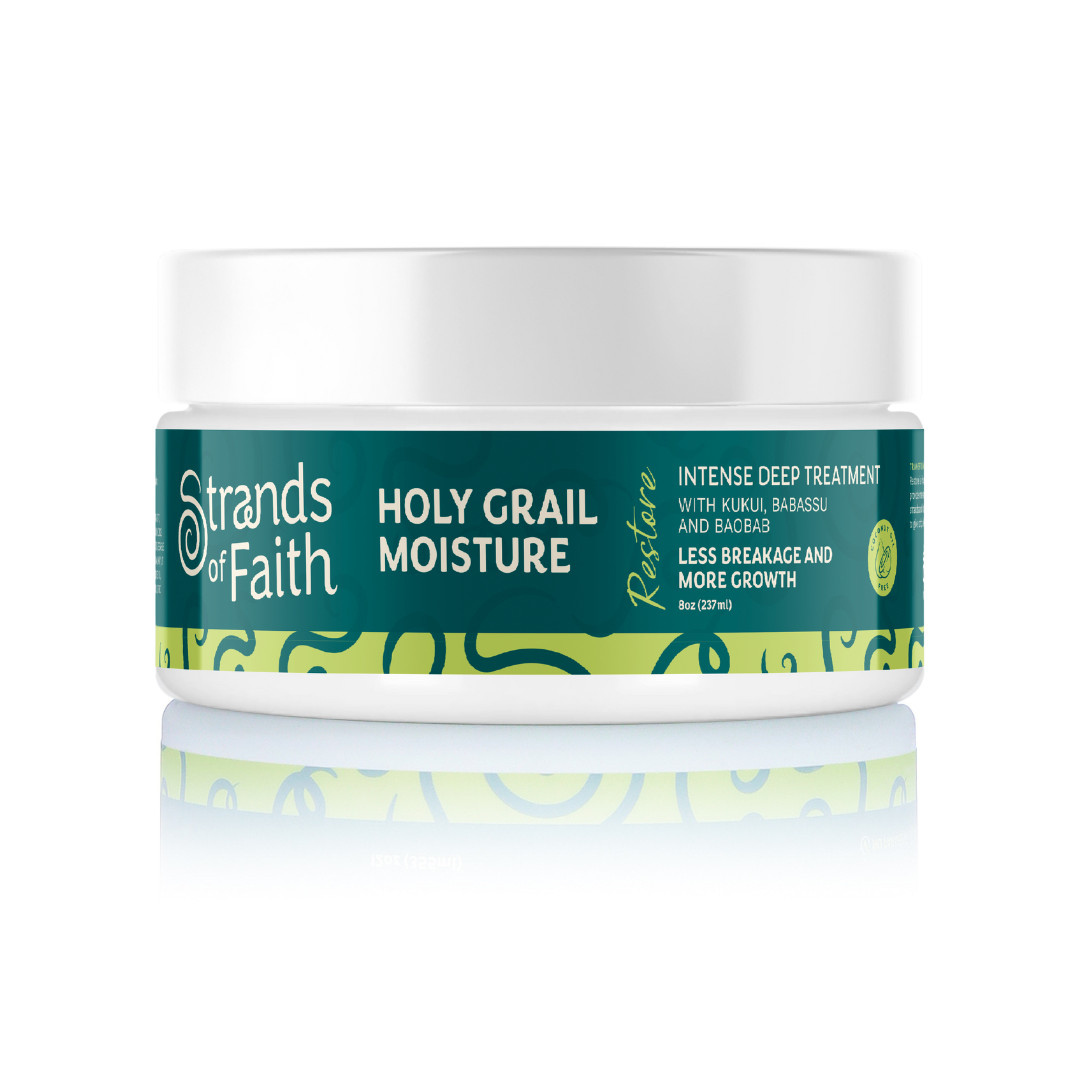
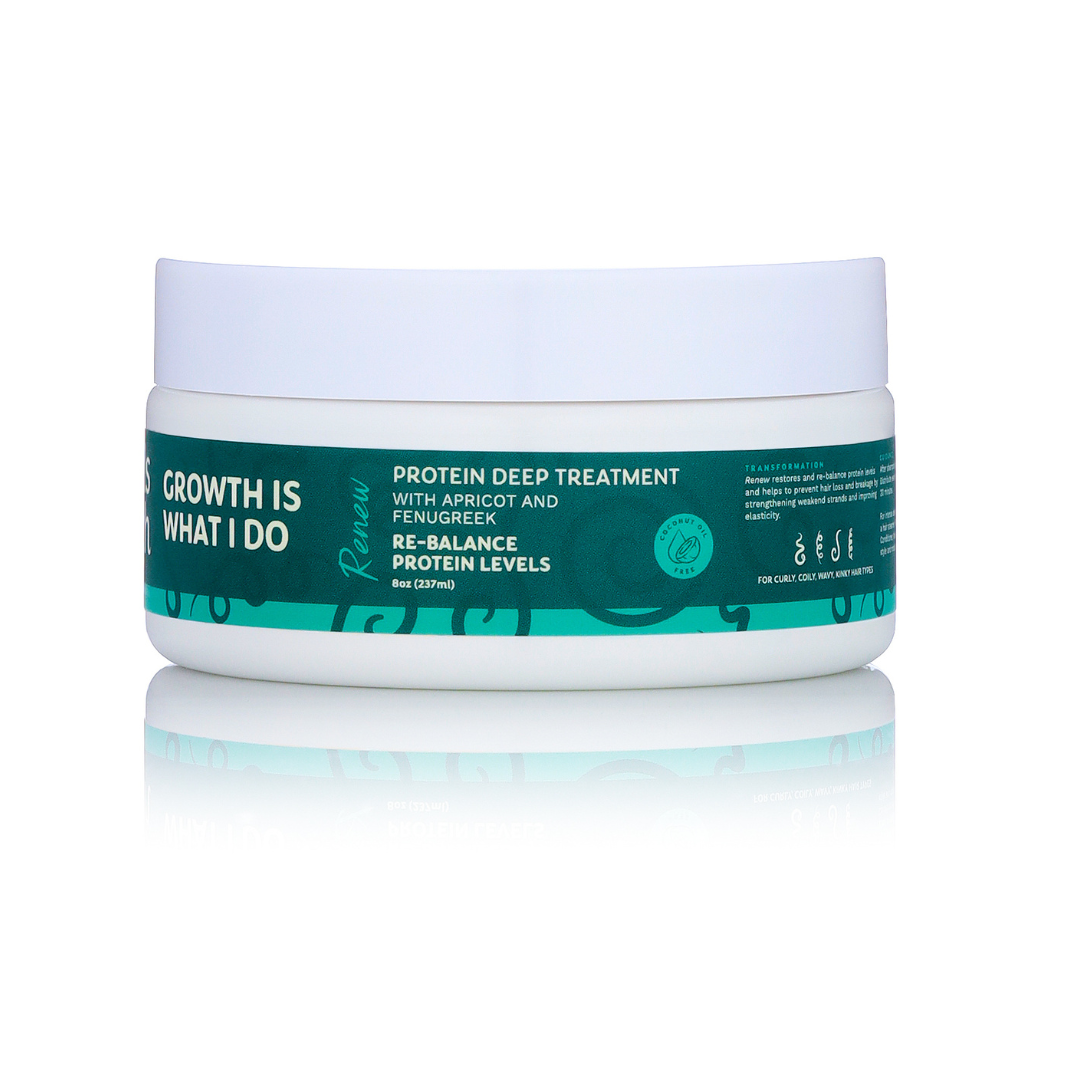
Follow with the Restore Intense Deep Conditioning Treatment to replenish hydration and improve softness. If your hair feels weak or prone to breakage, rotate in the Renew Protein Deep Treatment to reinforce your strands.
Hydrate consistently to reduce breakage:
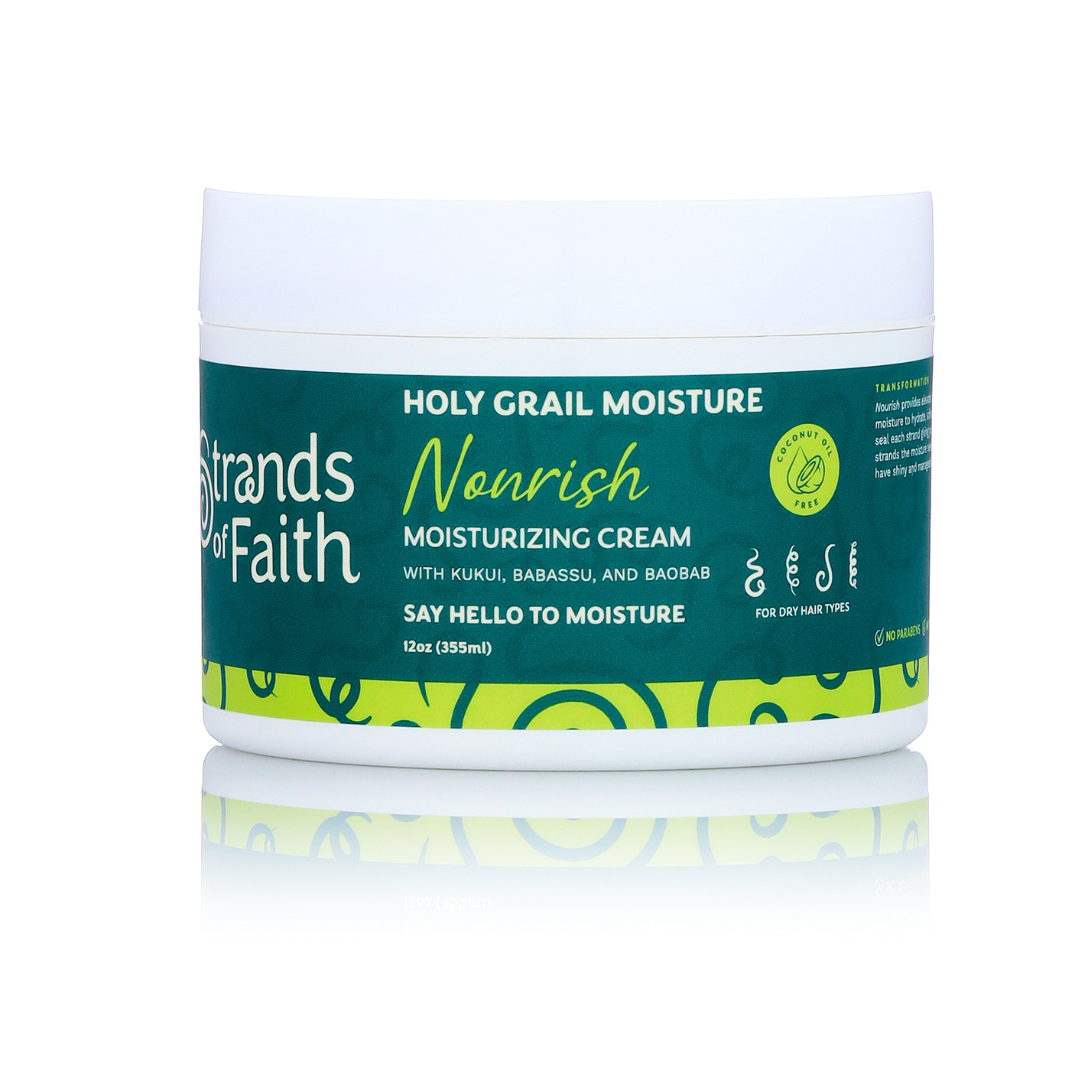
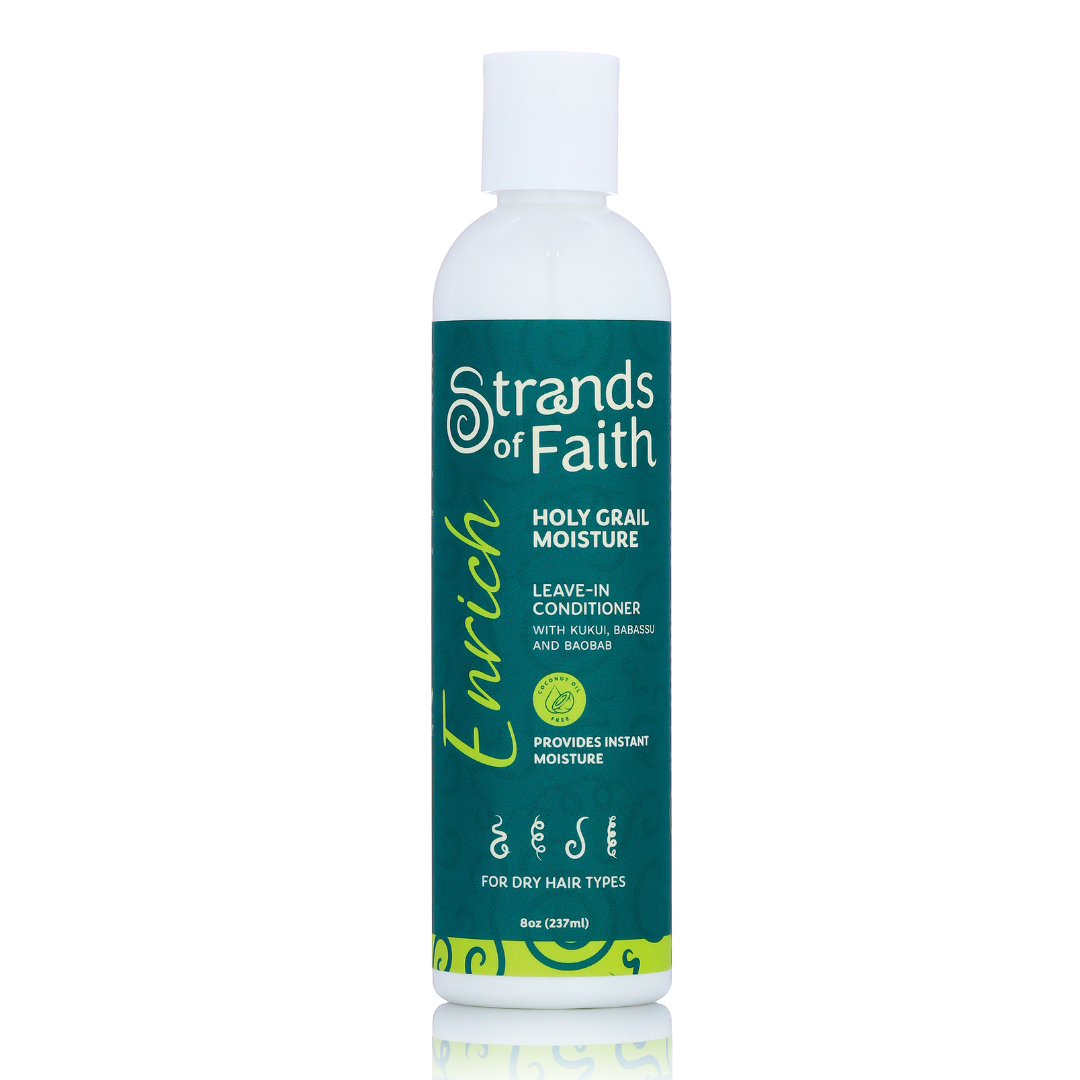
Apply the Amla Leave-In Conditioner followed by the Nourish Moisturizing Cream to keep your hair soft, elastic, and supported. Proper moisture helps prevent snapping, especially around the hairline.
Seal and support your scalp gently:
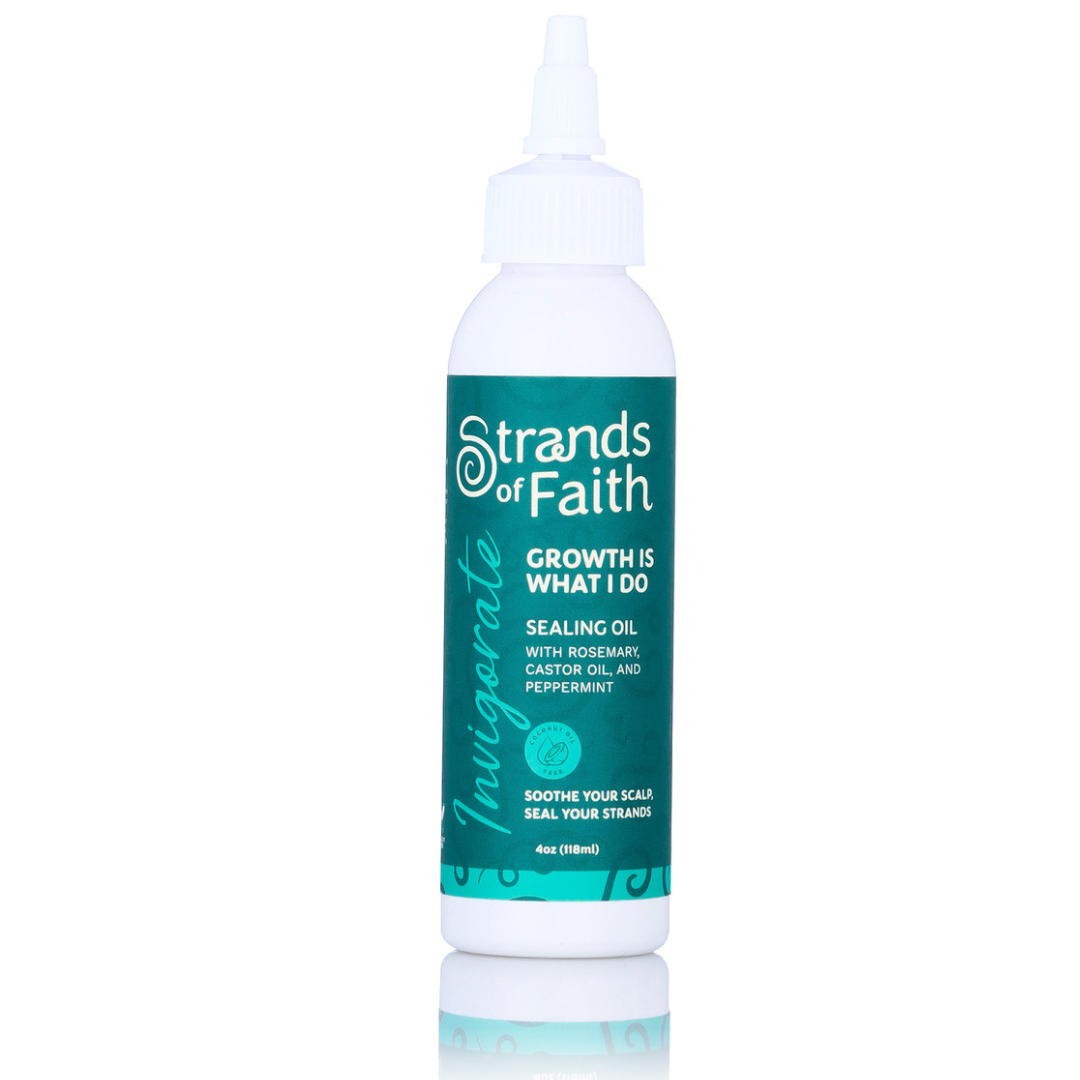
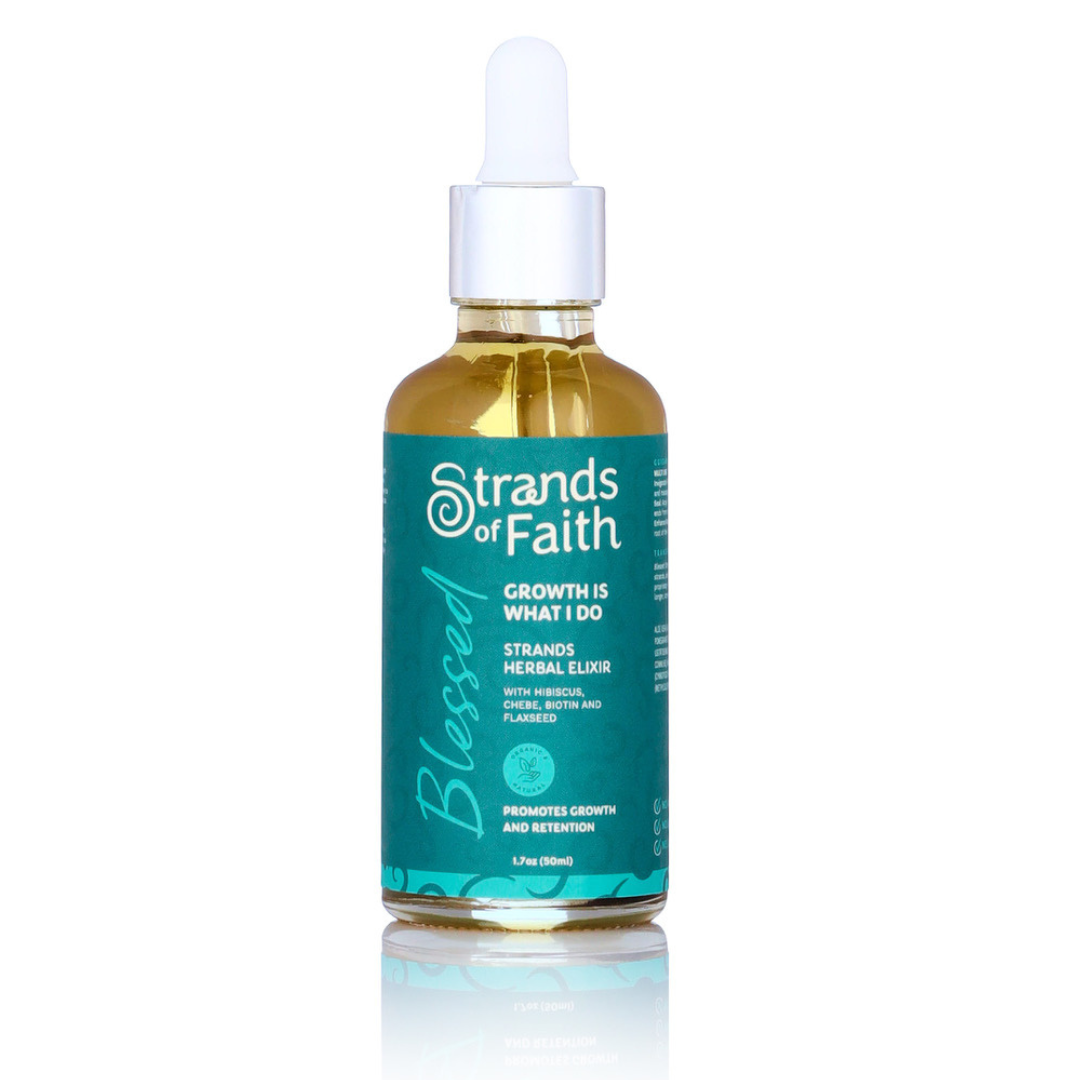
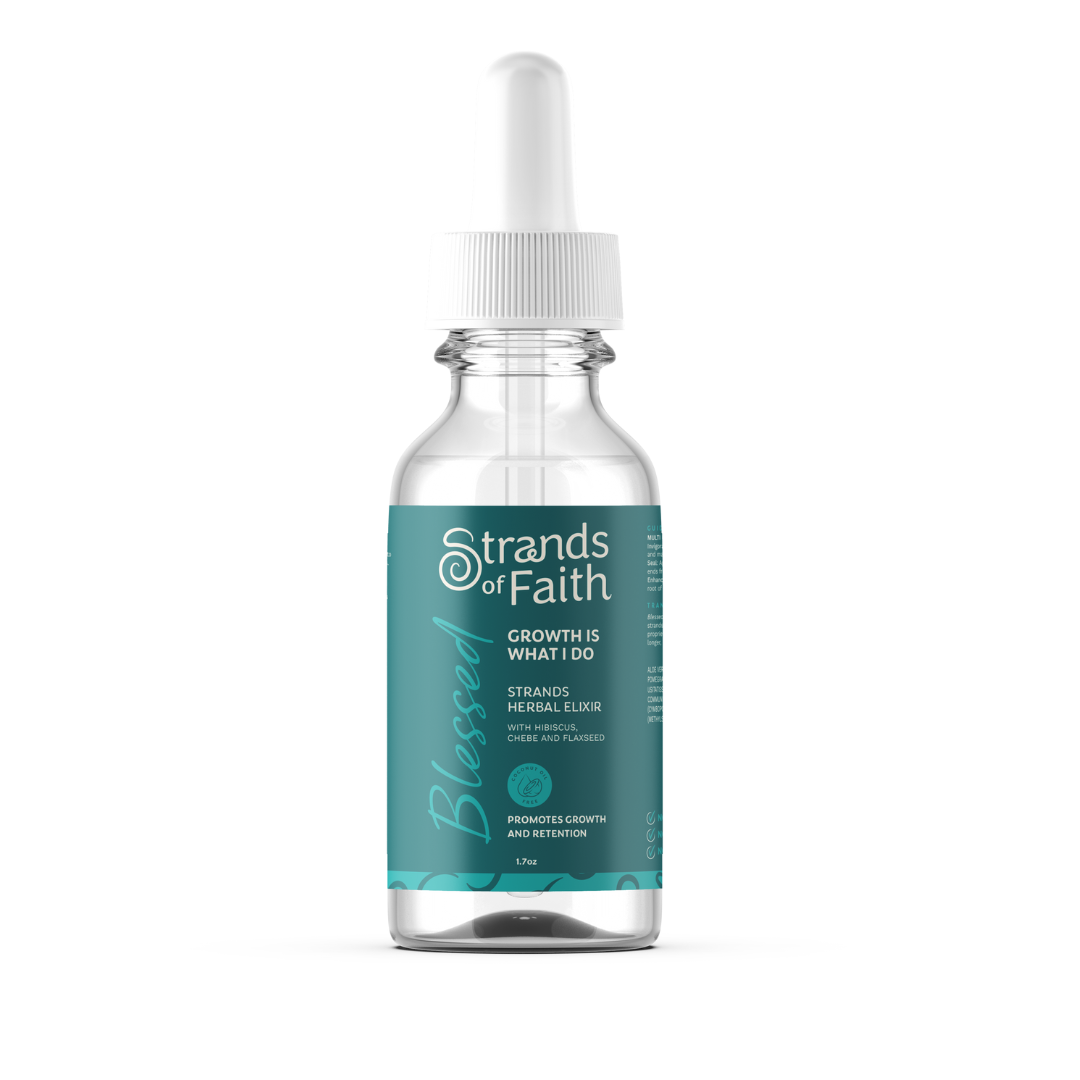
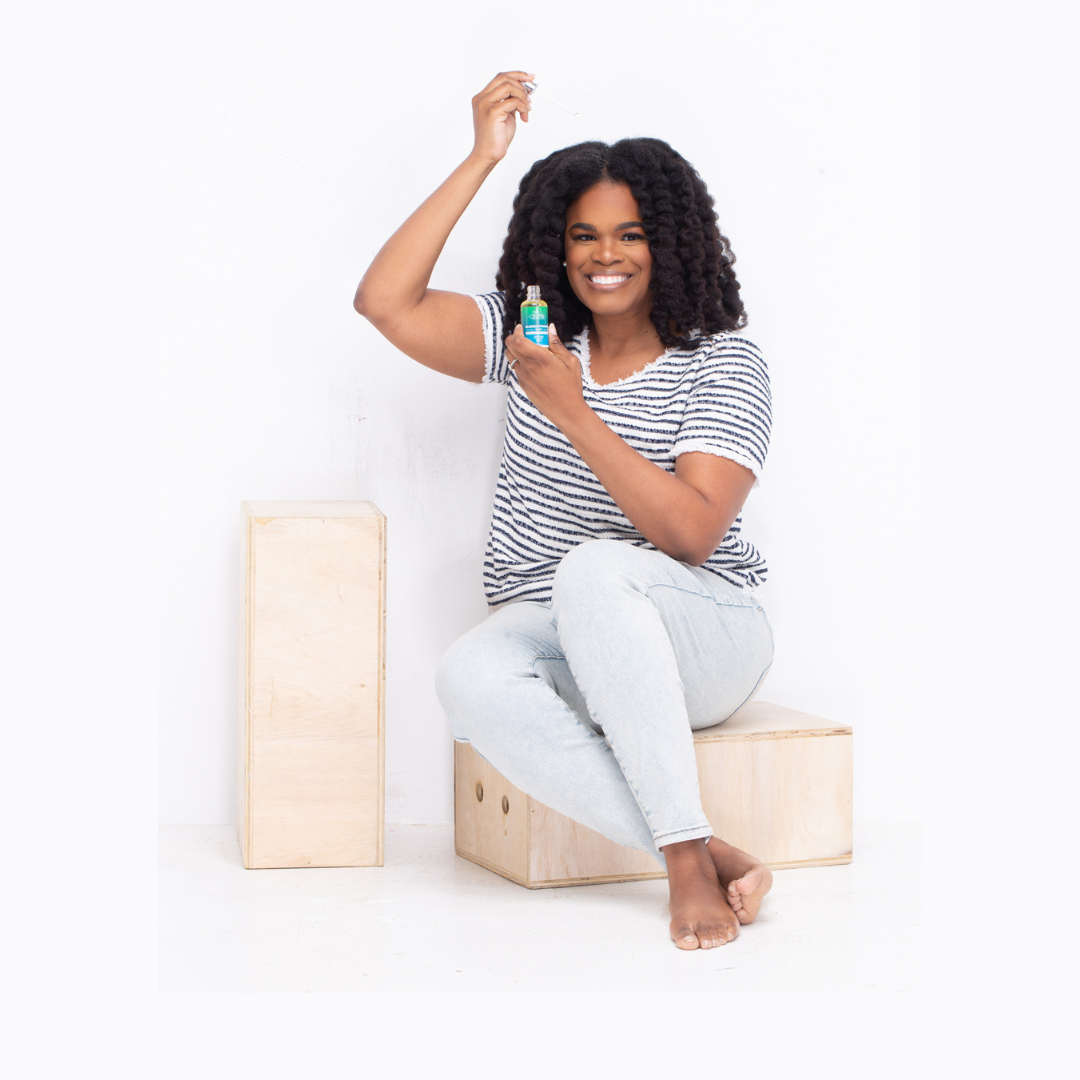
Use the Invigorate Sealing Oil to lock in moisture, then follow with the Blessed Strands Herbal Elixir for light scalp massages to support circulation and maintain a healthy scalp environment.
Maintain moisture during protective styles:
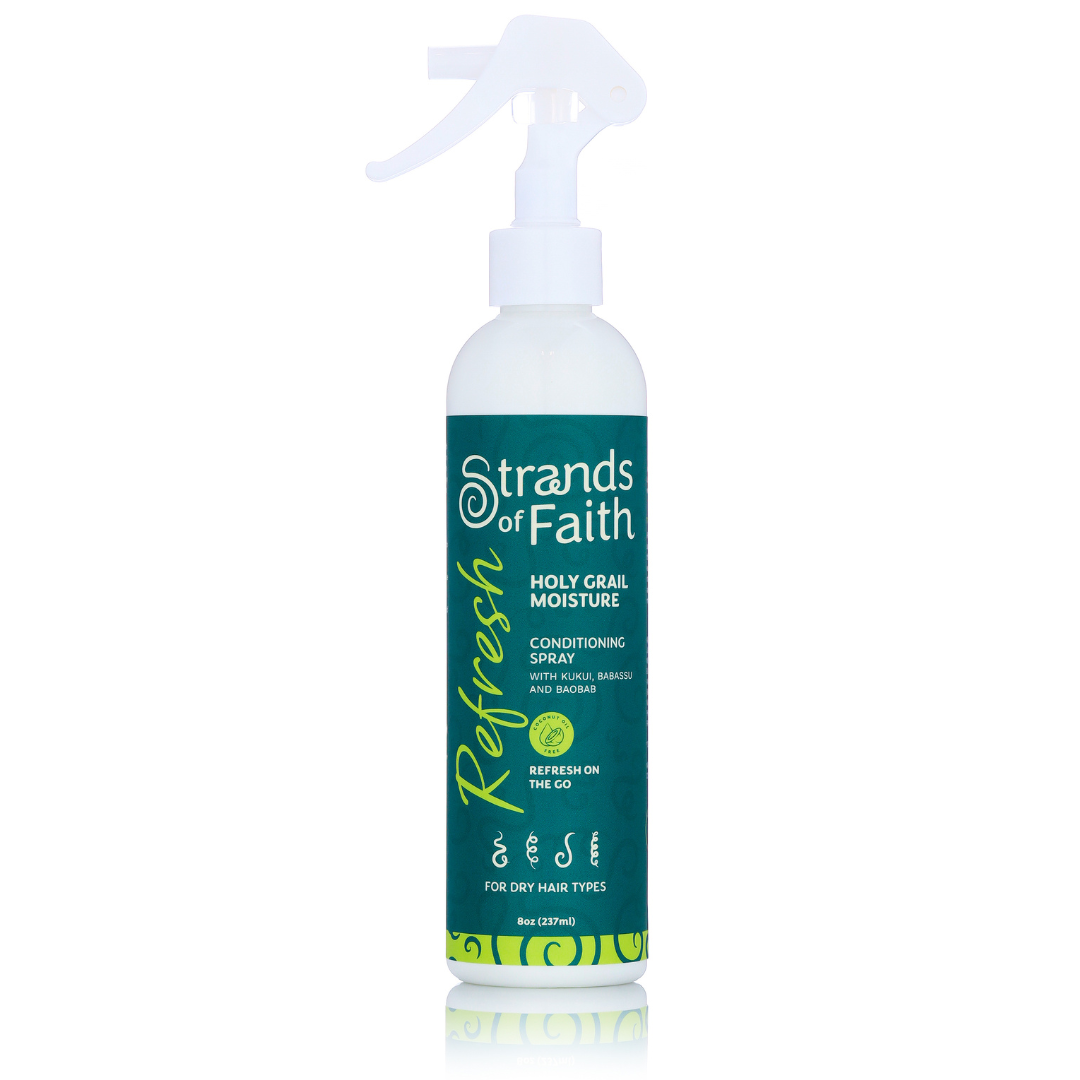
If your hair is tucked away, keep your scalp refreshed with the Refresh Conditioning Spray or the Amla Refresher Spray. This helps prevent dryness while your hair is in braids, twists, or other low-manipulation styles.
If You Wear Protective Styles Often
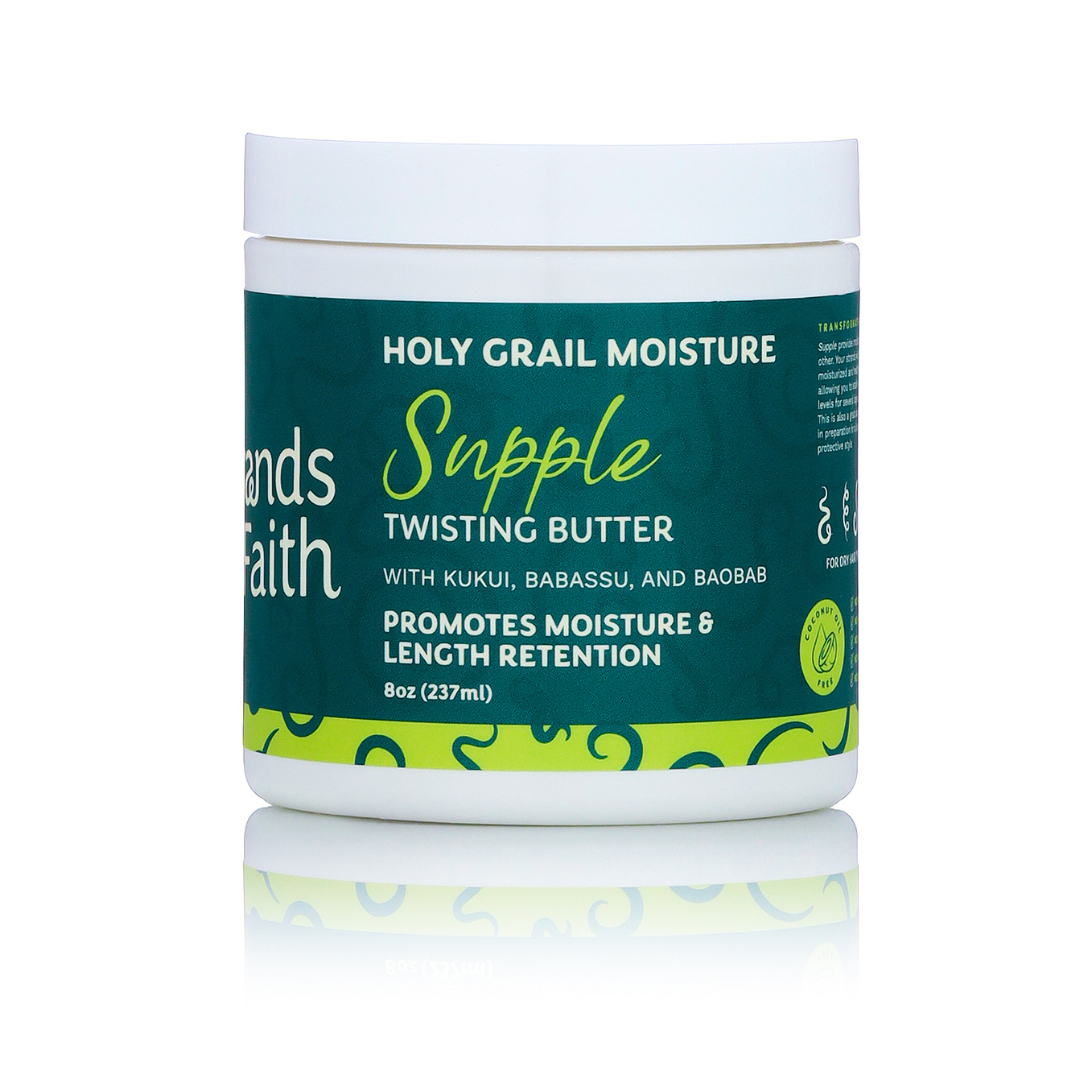
Before installing protective styles, it’s important to properly prep your hair with moisture so your strands stay healthy while tucked away. Start by hydrating your hair, then apply the Nourish Moisturizing Cream and layer the Supple Twisting Butter as a rich base to deeply moisturize and protect your strands underneath the style.
While your hair is in the style, maintaining scalp hydration is key. Use the Refresh Conditioning Spray or the Amla Refresher Spray to keep your scalp and new growth moisturized without disrupting your style.
Consistent moisture before and during protective styles helps reduce dryness, prevent breakage, and ensures your hair is still thriving when you take the style down.
Consistency Over Correction
The goal isn’t to overload your hair with products or try to fix everything overnight. The goal is to build a routine that supports your scalp and protects your strands consistently.
Small changes, like reducing tension, keeping your scalp clean, and maintaining moisture can make a big difference over time.
A Gentle Reminder
Traction alopecia is more common than many people realize, and it’s often the result of styling habits, not neglect.
If you’re experiencing ongoing or severe hair loss, it’s important to consult a dermatologist. Your routine can support your scalp, but professional guidance may be needed for deeper concerns.
Final Thought
Your edges are delicate, but they’re not beyond care.
When you combine intentional styling with a supportive routine, you give your hair the best chance to thrive. It’s not about perfection, it’s about consistency and care.
Ready to Support Your Scalp and Edges?
Explore products designed to support moisture, strength, and scalp health:
✨ https://strandsoffaith.com/collections/all
Or simplify your routine with one of our curated bundles for complete care.